
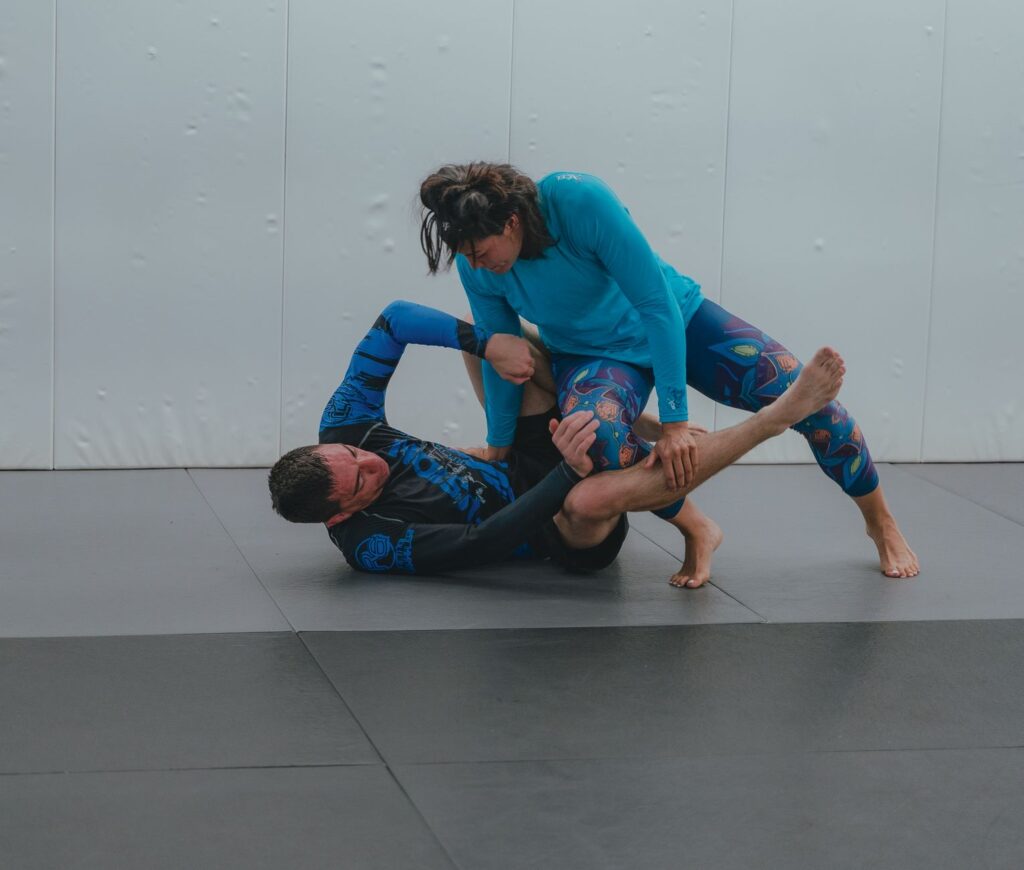
BJJ Side-Control Escapes: Frames & Guard Recovery
Side control escapes are won at the head and near elbow. Frame-and-shrimp mechanics, the underhook turn to the knees, kesa and north-south answers, and the timing that makes them work.
Side control escapes are won at the head and near elbow. Frame-and-shrimp mechanics, the underhook turn to the knees, kesa and north-south answers, and the timing that makes them work.
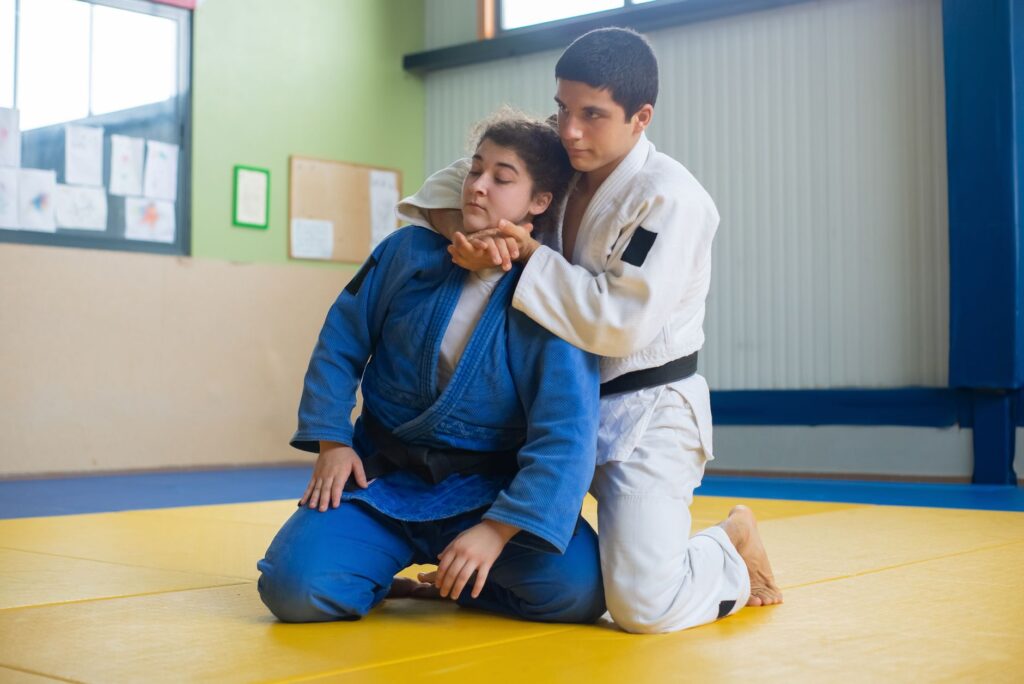
Back escapes follow a strict order: neck, shoulders, hooks — then face them. The hand fight, the shoulder walk to the open side, and how to beat the body triangle.
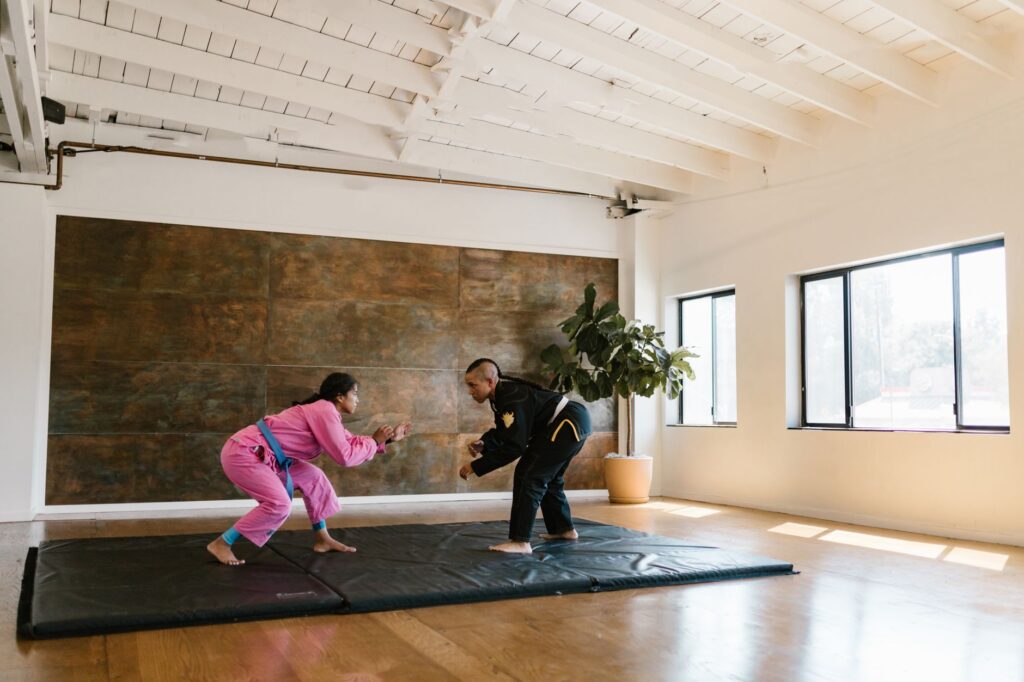
Two escapes solve most mount problems: the trap-and-roll and the elbow escape. The mechanics of both, why straight-arm pushing gets you armbarred, and how to chain them.
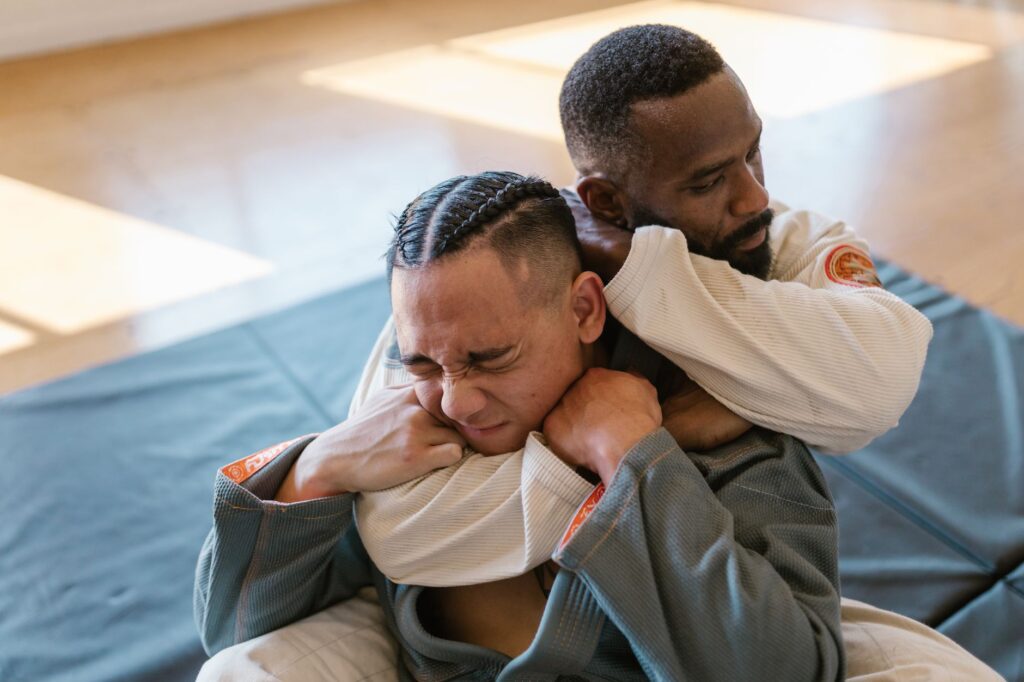
Back control scores 4 points and feeds the rear naked choke — the top finish in our UFC BJJ study. Seatbelt mechanics, hand fighting, and escapes.
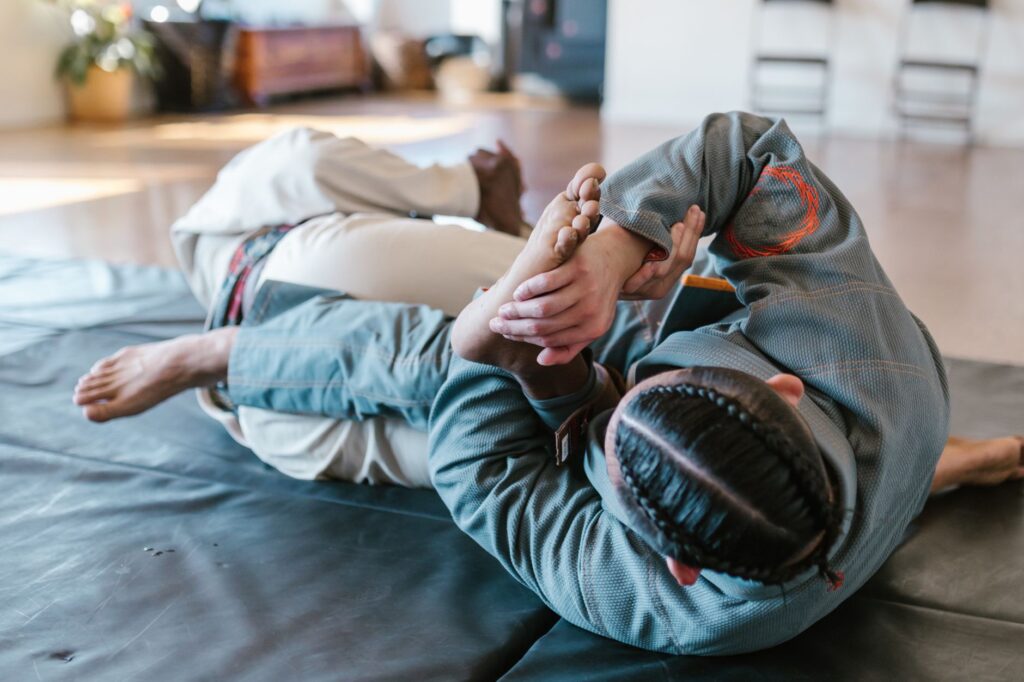
Closed guard is the bottom position where you attack. Breaking posture, the choke-armbar-triangle chain, sweeps, and how passers try to open it.
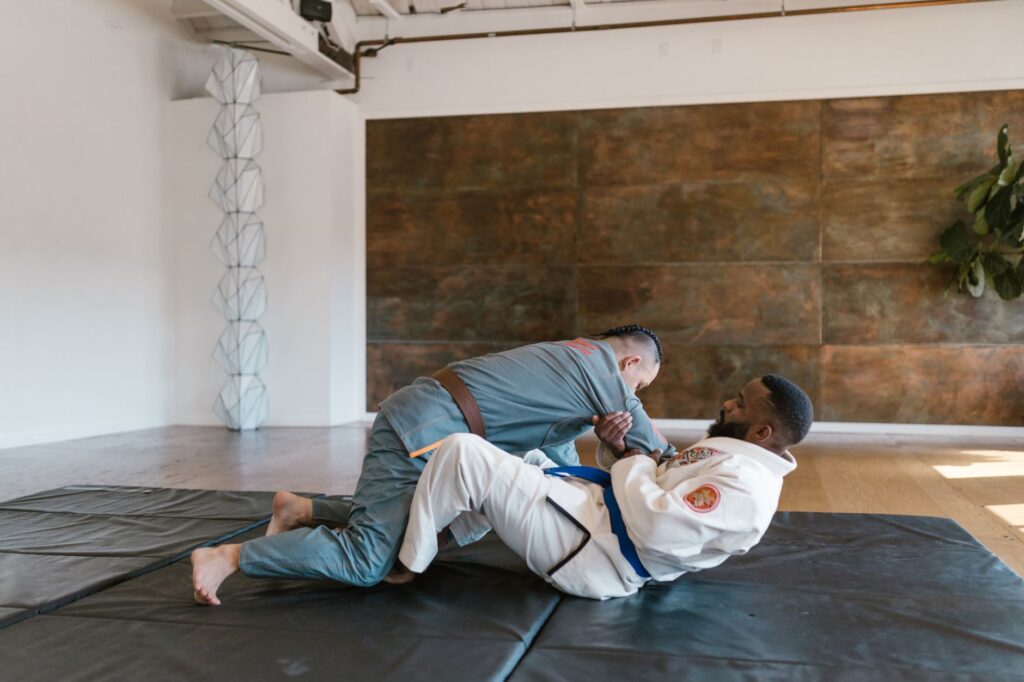
Half guard runs on the underhook. Knee shield, deep half and dogfight mechanics, the sweeps and back takes, and how top players try to pass it.
Free every Tuesday
The week’s biggest stories from BJJ, judo, wrestling, and submission grappling—curated for people who train.
Sent out weekly.Opt out anytime.
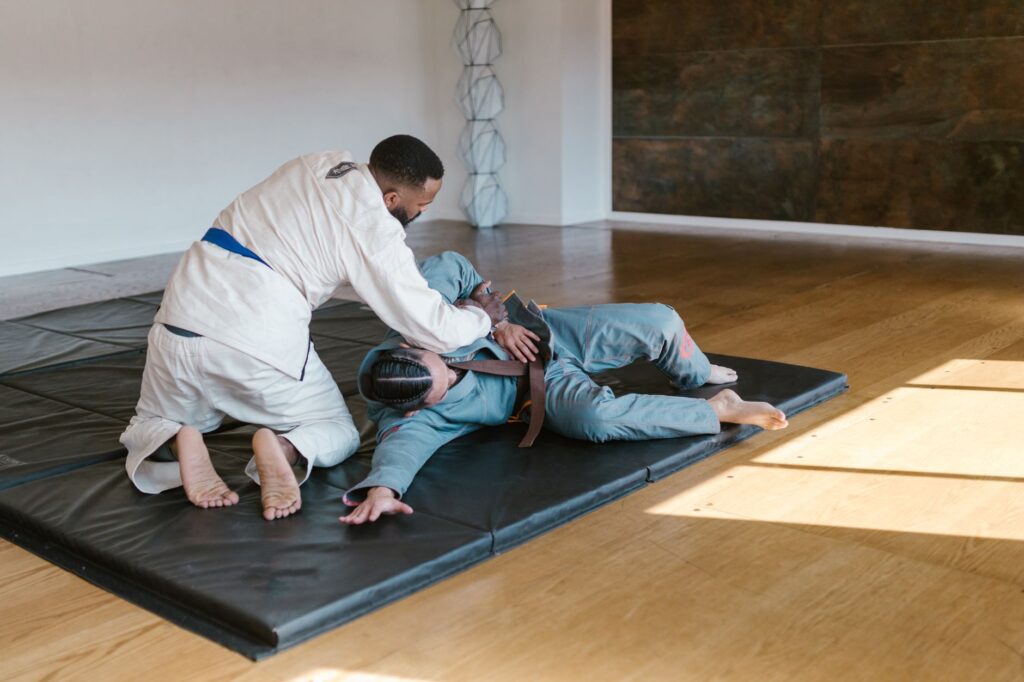
Mount scores 4 points and feeds BJJ’s highest-percentage attacks. How to climb, stay heavy, chain the choke-armbar dilemma, and shut down the escapes.
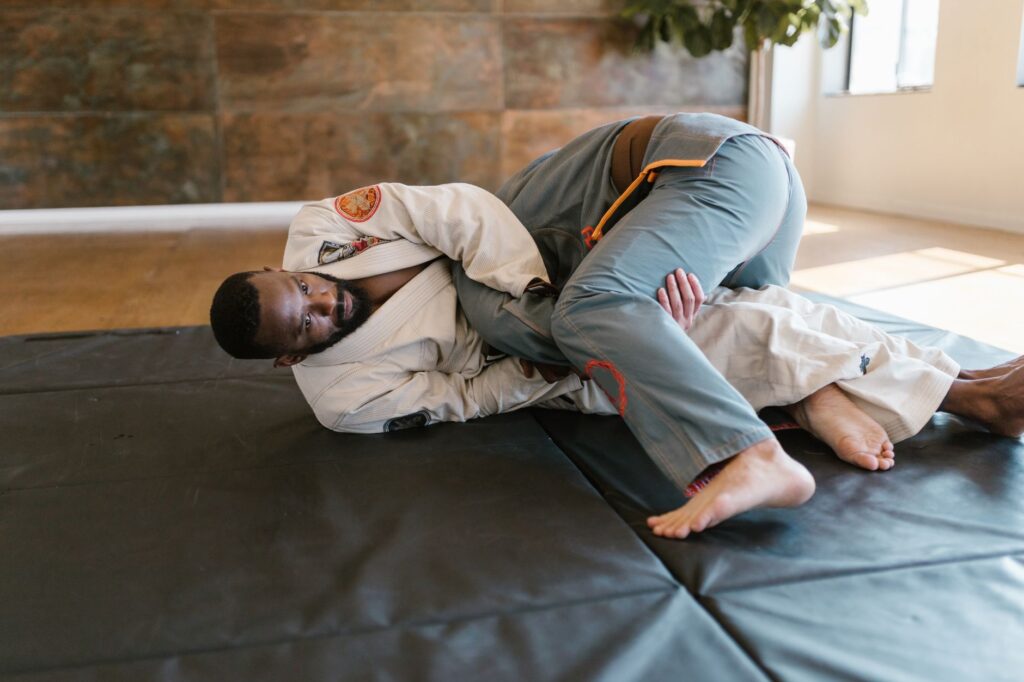
Side control scores nothing by itself — the pass into it does. Crossface and underhook mechanics, the staple submissions, and the escapes to expect.
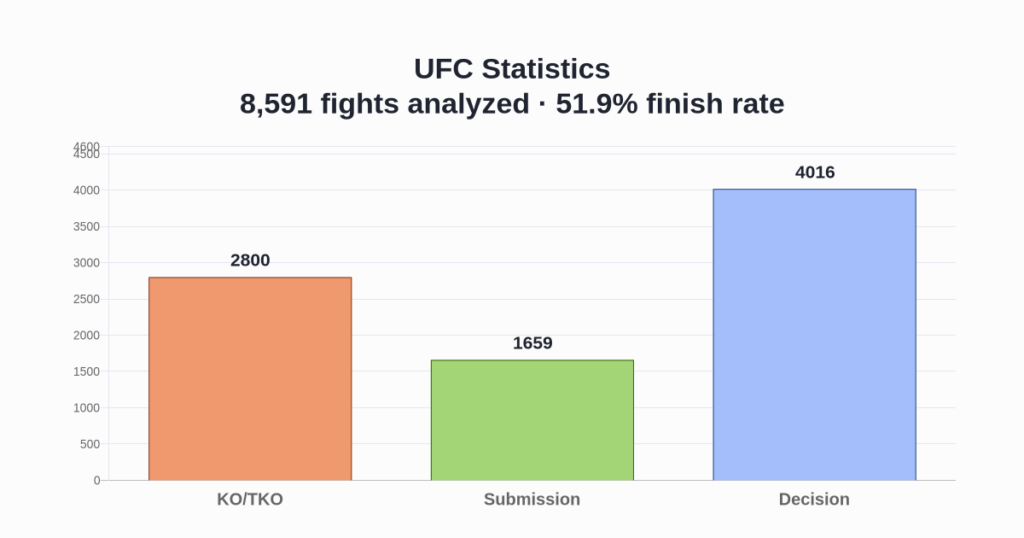
We analyzed all 8,591 UFC fights to find finish rates by outcome, year, division and title status—plus average fight length and judging trends.
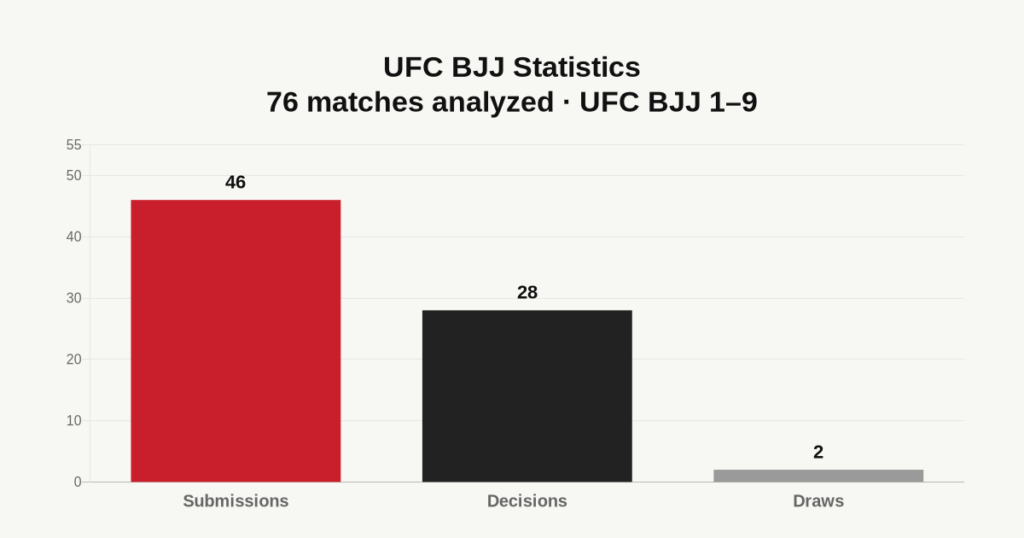
We analyzed all 76 matches from UFC BJJ 1–9: submission rates, common finishes, round data, title bouts and athlete leaders.