
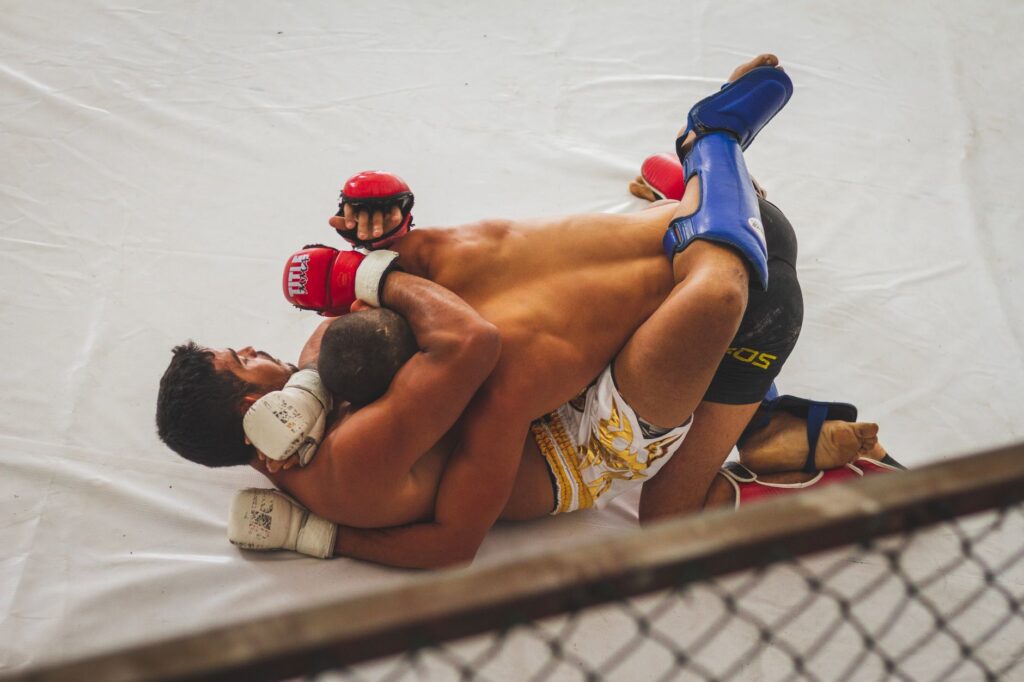
Catch Wrestling vs BJJ: The Differences Explained
In catch wrestling a pin loses you the match; in BJJ it costs points. That one rule explains the guard, the submissions and the whole difference between the two arts.
In catch wrestling a pin loses you the match; in BJJ it costs points. That one rule explains the guard, the submissions and the whole difference between the two arts.
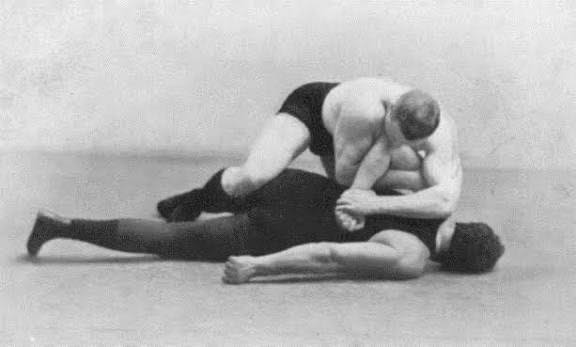
Catch wrestling explained: you win by pin or submission, and it is the only major wrestling style that allows both leg attacks and joint locks. How it became Olympic freestyle, and how it reached modern MMA.
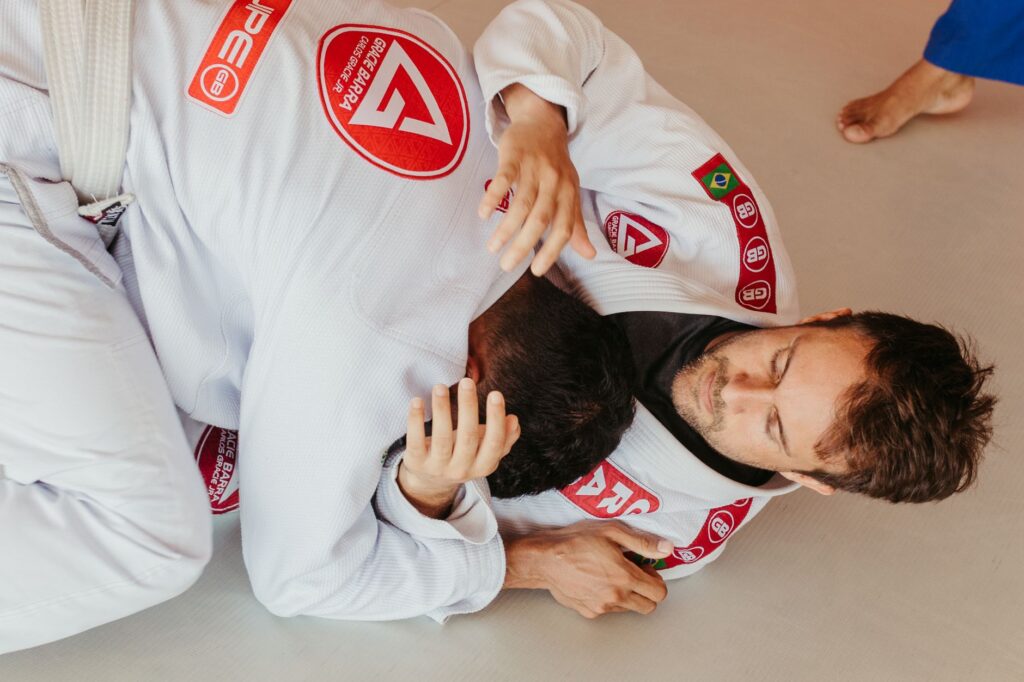
Sambo is a standing art with a ground finish; BJJ is a ground art with a standing entry. A rule-book comparison of submissions, guard, uniforms and MMA transfer.
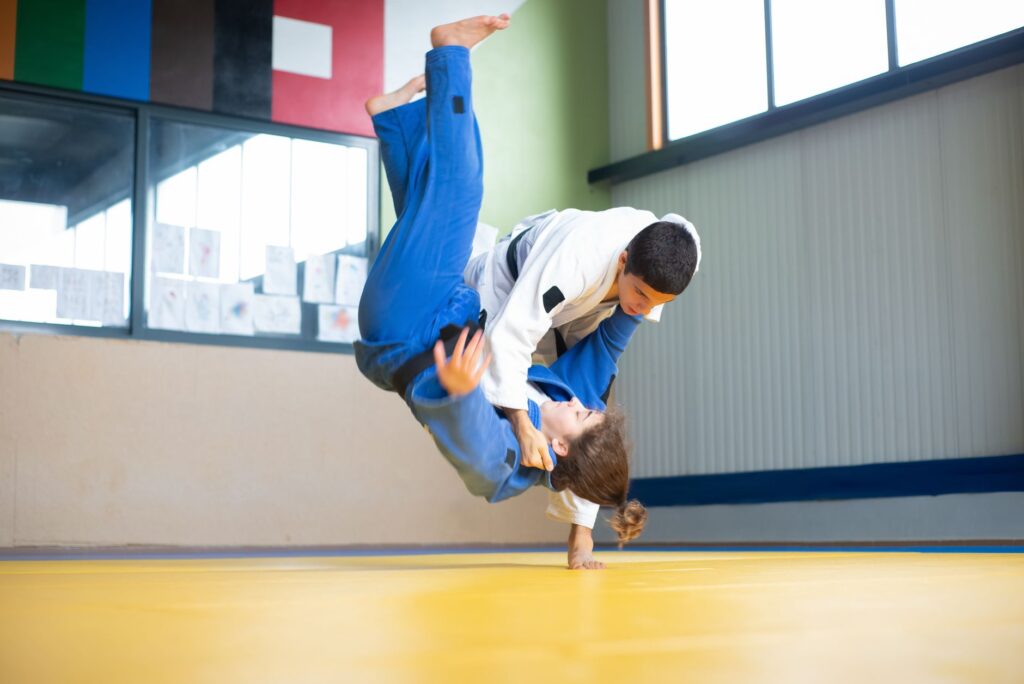
Sambo bans chokes and allows leg locks; judo does the opposite. A rule-book comparison of uniforms, throws, scoring, leg grabs and which transfers better to MMA.
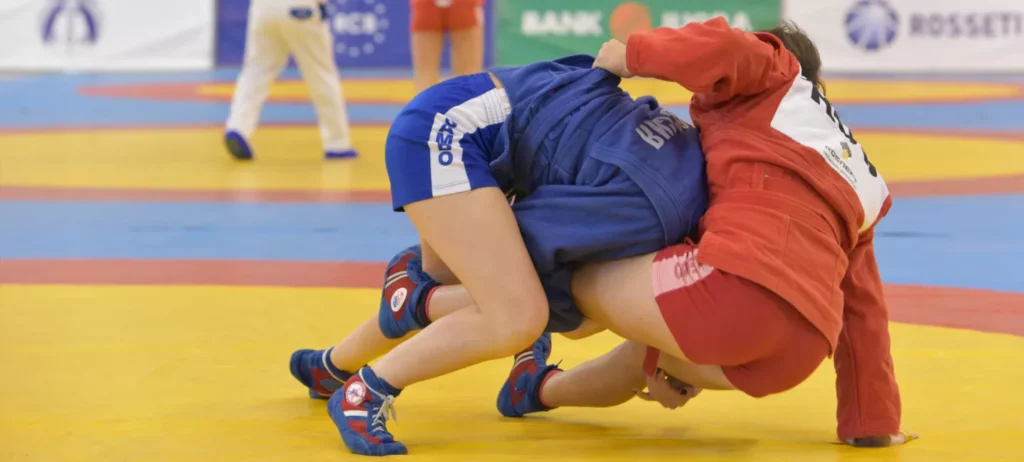
Combat Sambo allows strikes and chokes; Sport Sambo bans both. The throws, scoring and bout length are identical — compared from the official FIAS rule books.
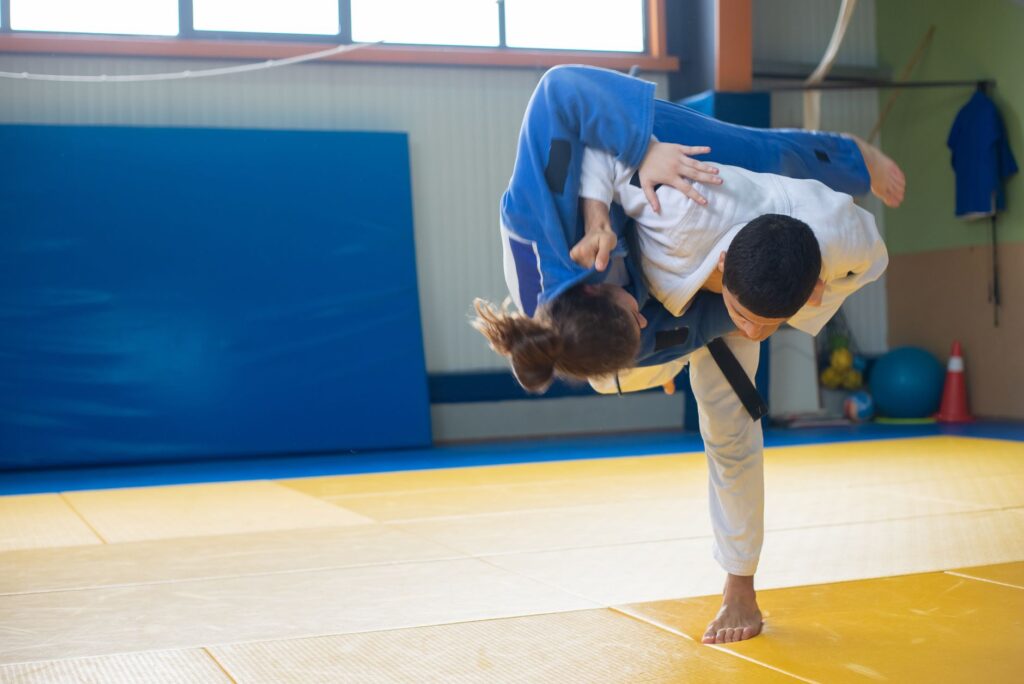
What Sambo is, where it came from, and how it is scored — from the official FIAS rule book. Sport Sambo bans chokes but allows leg locks, the mirror image of judo.
Free every Tuesday
The week’s biggest stories from BJJ, judo, wrestling, and submission grappling—curated for people who train.
Sent out weekly.Opt out anytime.
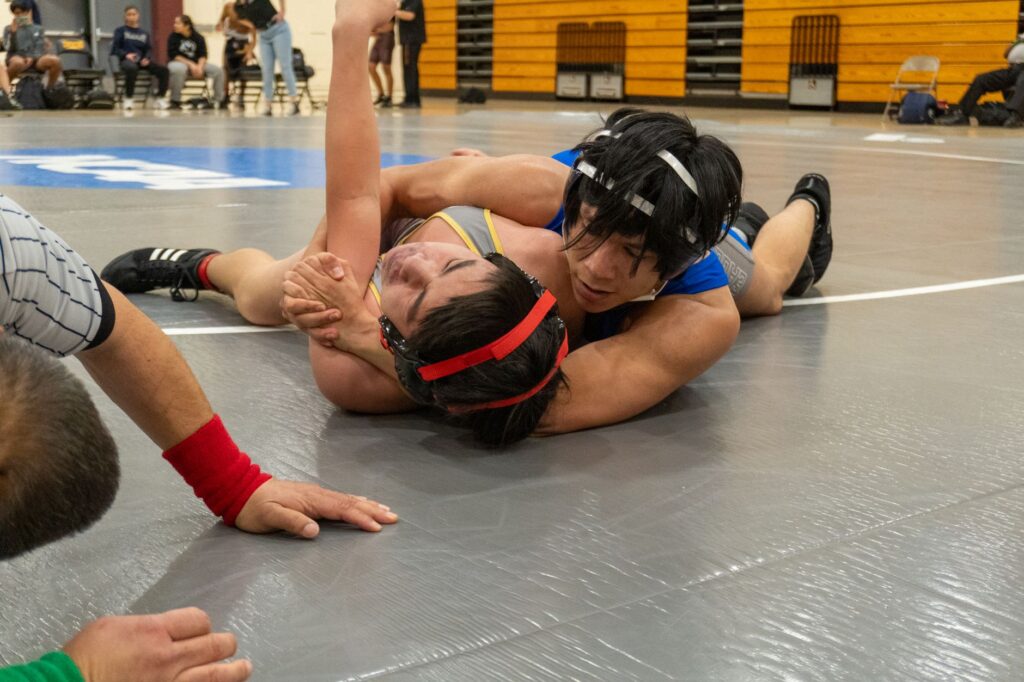
Quick answer: you win a wrestling match by pinning your opponent (holding both shoulders to the mat — an instant
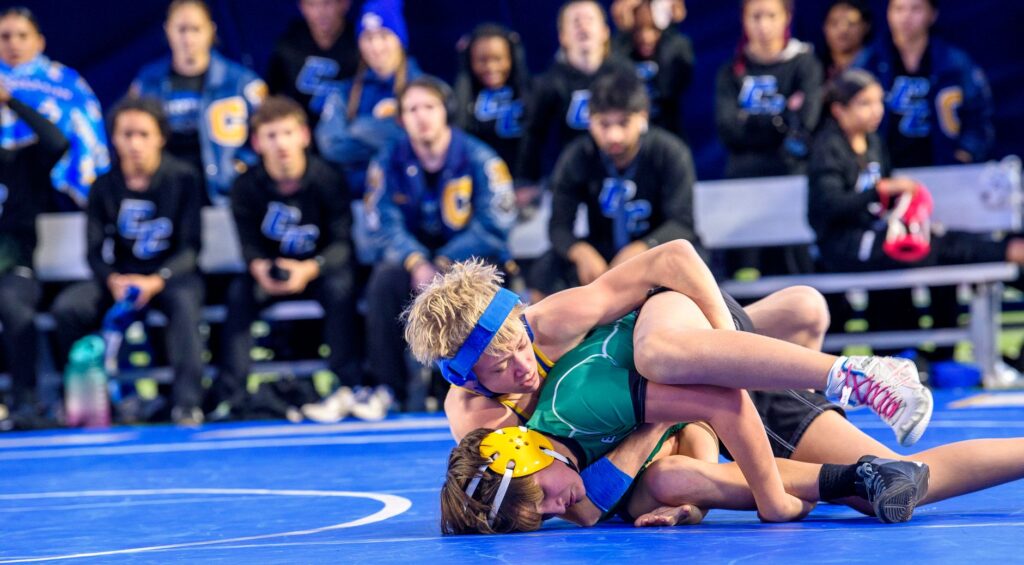
Quick answer: wrestling moves fall into five families, organised by position. Takedowns (single-leg, double-leg, high crotch, ankle pick) bring a
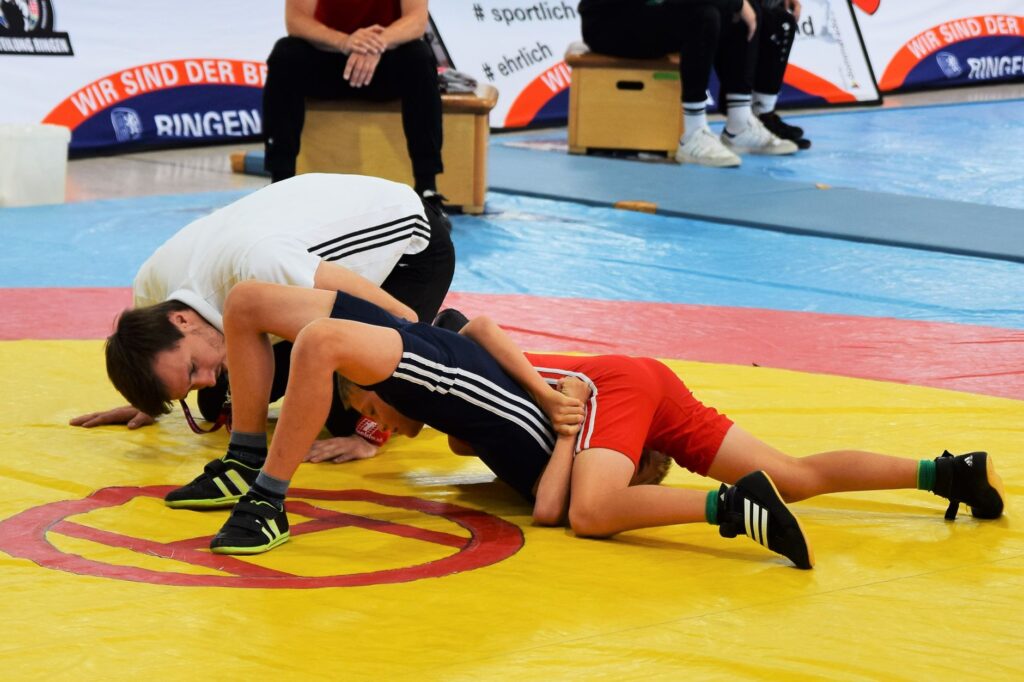
Quick answer: there are three main competitive wrestling styles. Folkstyle (also called collegiate or scholastic) is the American style used
Quick answer: wrestling weight classes depend on the level and style. NCAA college wrestling has 10 weight classes, from 125