

Kimura Lock: The Complete BJJ Guide (Setups, Finishes & Defense)
The kimura is a figure-four shoulder lock legal at every IBJJF belt in gi and no-gi. Grips, setups from seven positions, the kimura trap, defenses and the 1951 history behind the name.
The kimura is a figure-four shoulder lock legal at every IBJJF belt in gi and no-gi. Grips, setups from seven positions, the kimura trap, defenses and the 1951 history behind the name.
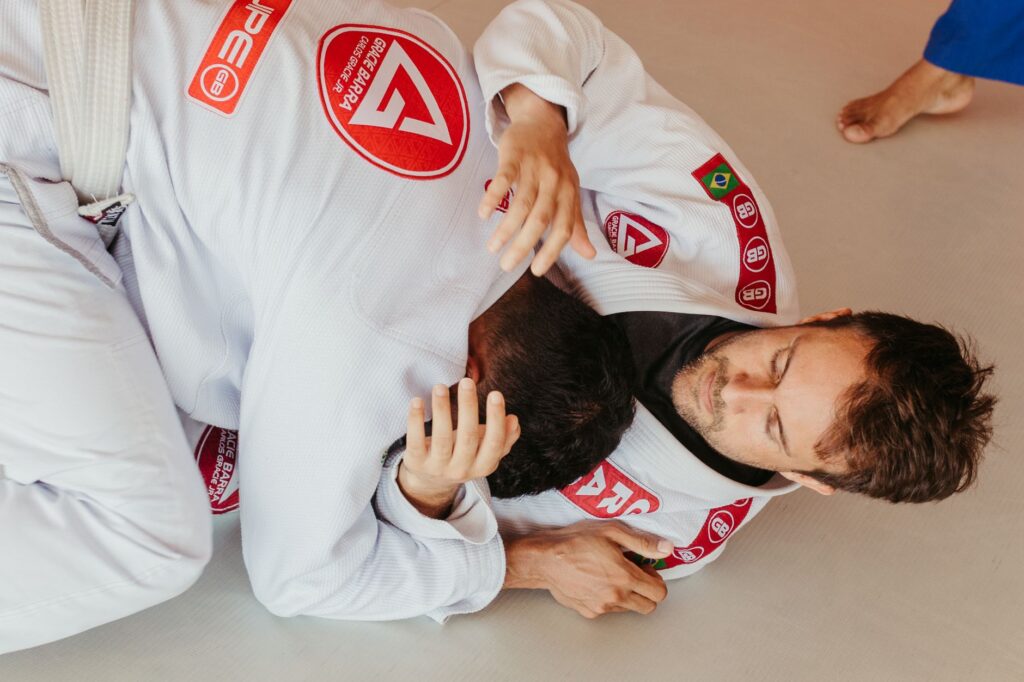
Gi vs no-gi jiu-jitsu compared straight from the IBJJF rule book: identical scoring and match times, but different weight limits, grip penalties, uniform checks, and four leg attacks that are legal in no-gi only.
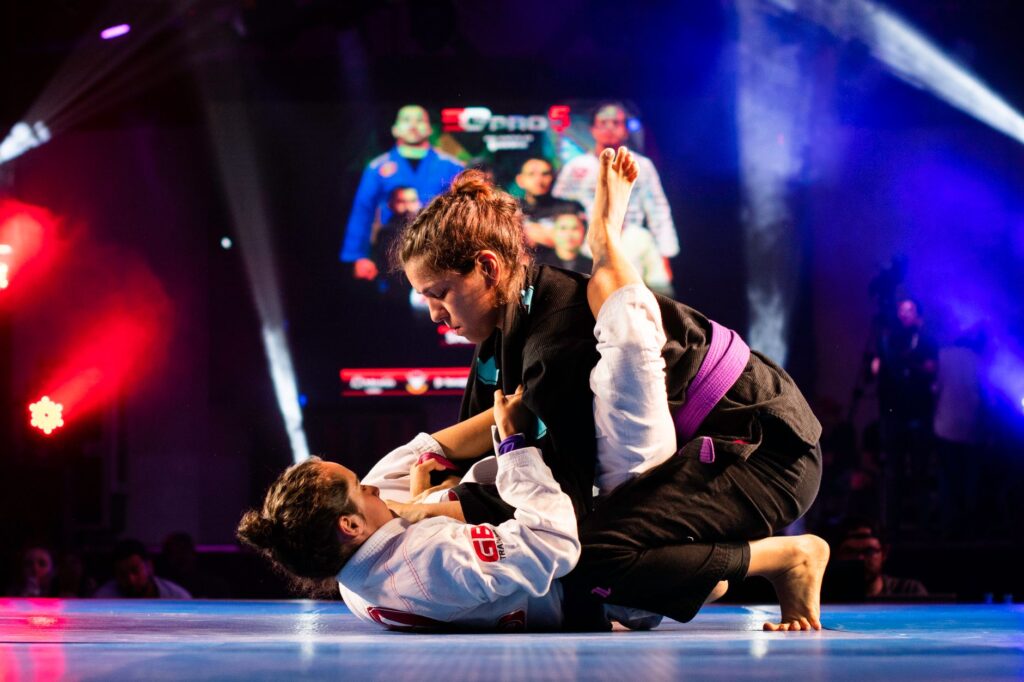
Quick answer: Marcus “Buchecha” Almeida holds the all-time record with 13 IBJJF world titles at black belt — but the
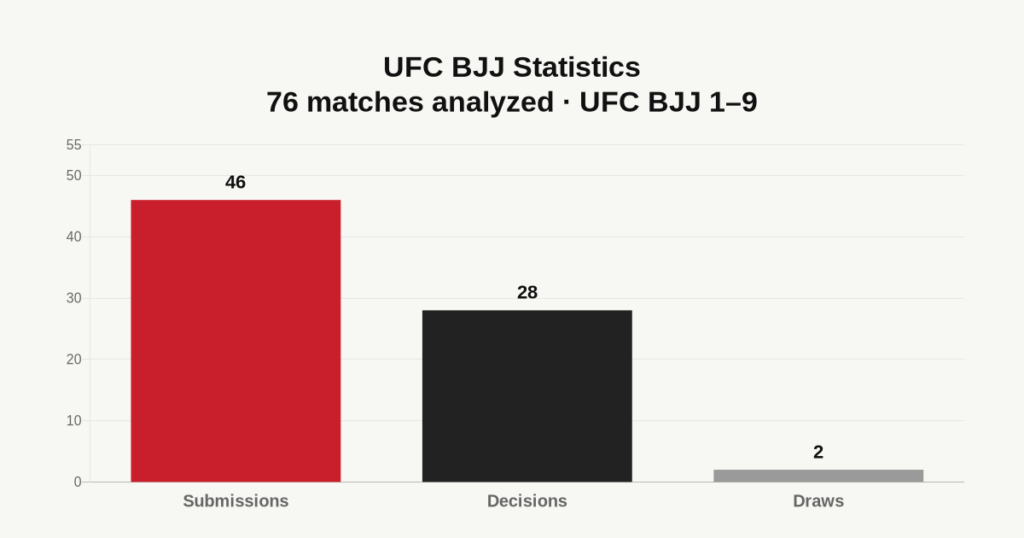
We analyzed all 76 matches from UFC BJJ 1–9: submission rates, common finishes, round data, title bouts and athlete leaders.
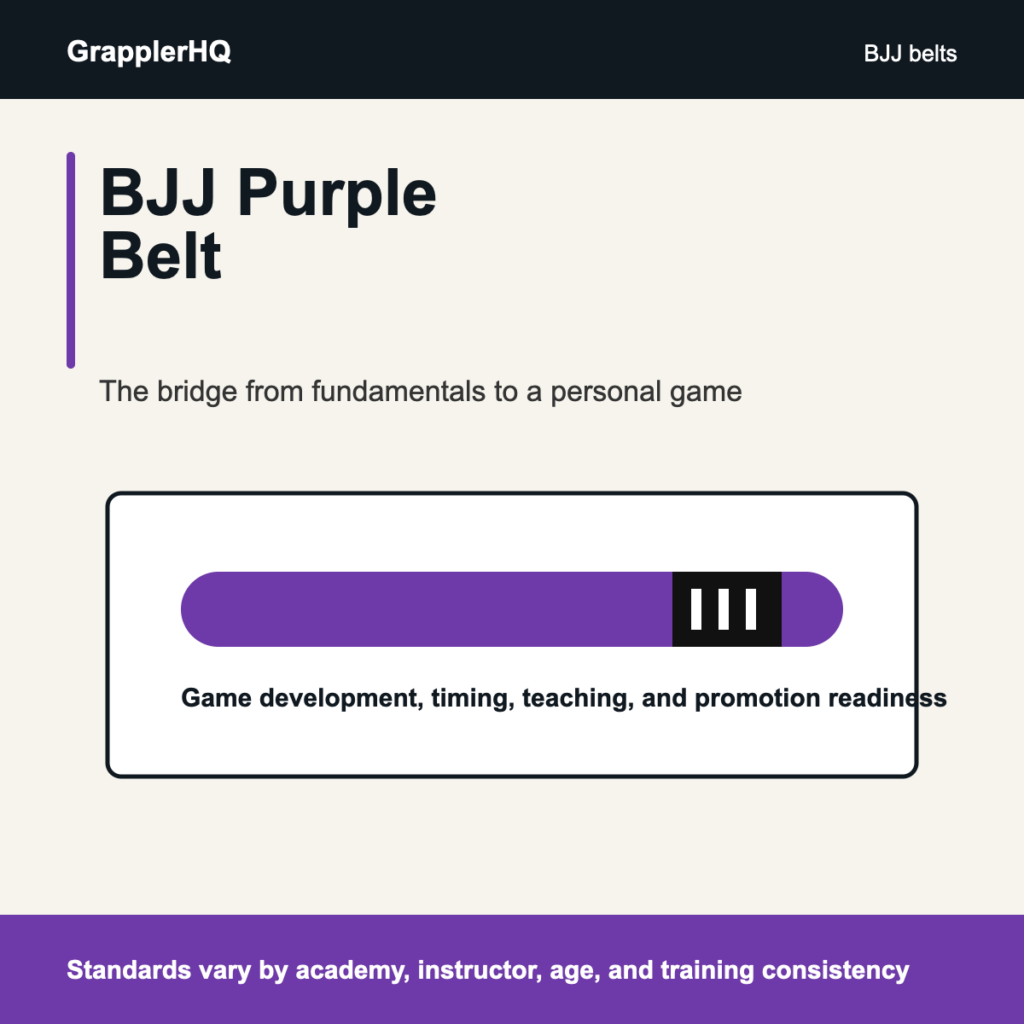
Learn what a BJJ purple belt means, how long it usually takes, what skills matter, and how purple belt fits into the Brazilian Jiu-Jitsu belt system.
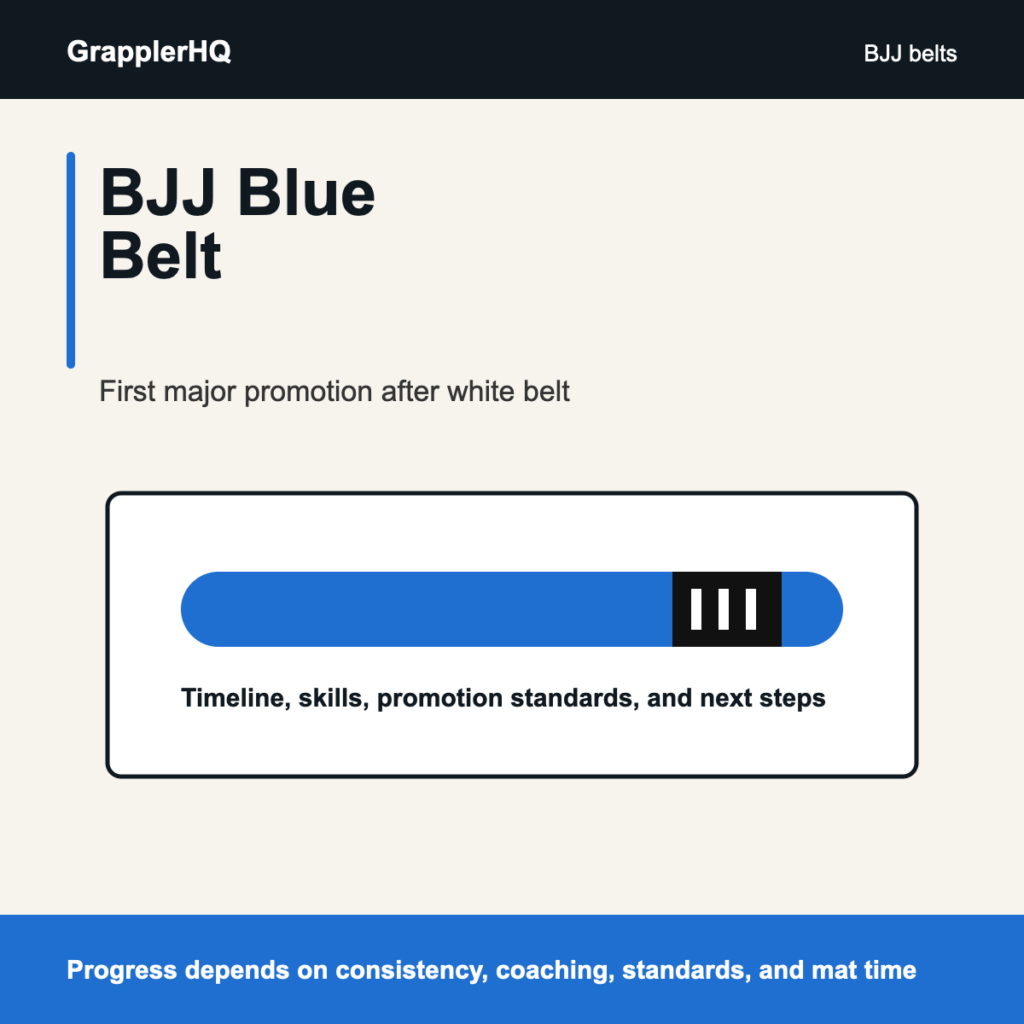
Learn what a BJJ blue belt means, how long it usually takes, what coaches look for, and how to train toward the first major Brazilian Jiu-Jitsu promotion.
Free every Tuesday
The week’s biggest stories from BJJ, judo, wrestling, and submission grappling—curated for people who train.
Sent out weekly.Opt out anytime.
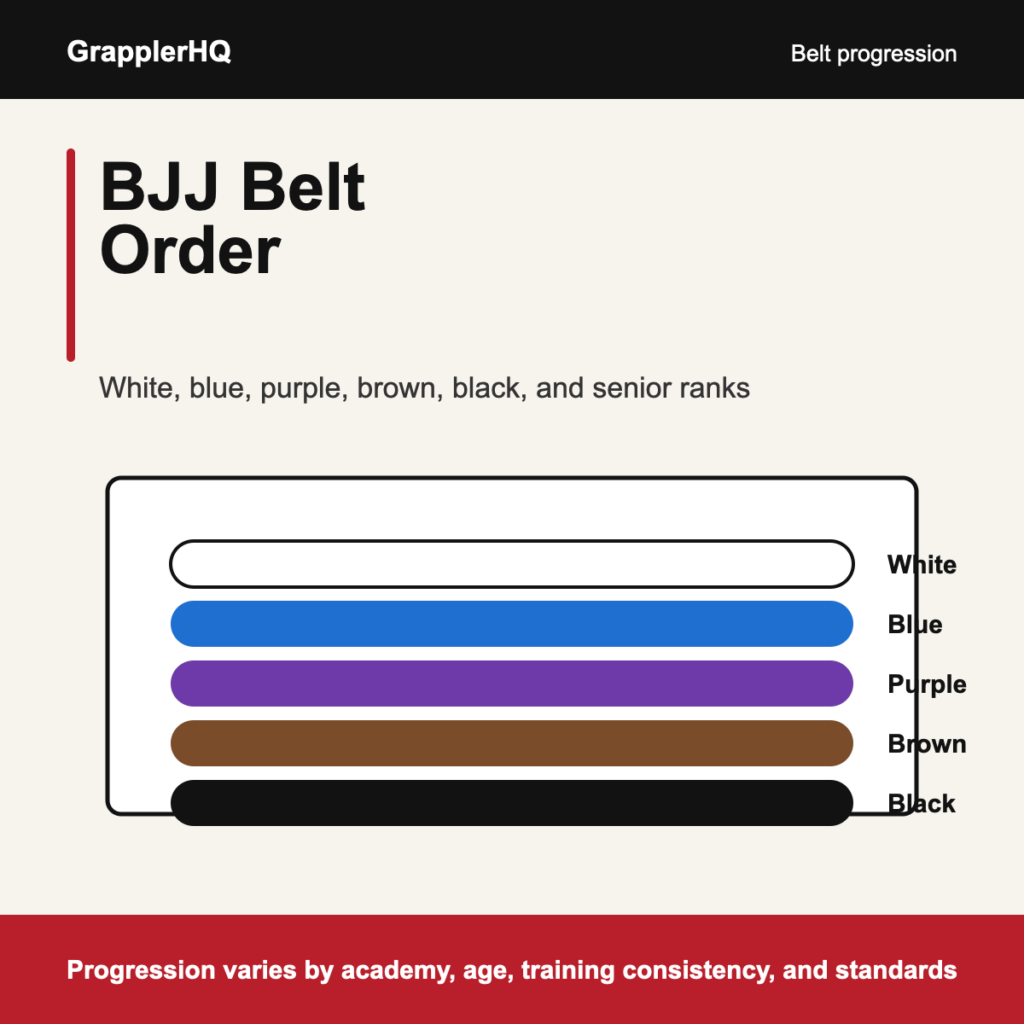
Learn the BJJ belt order from white to black and senior ranks, including kids belts, stripes, timelines, and links to deeper GrapplerHQ belt guides.
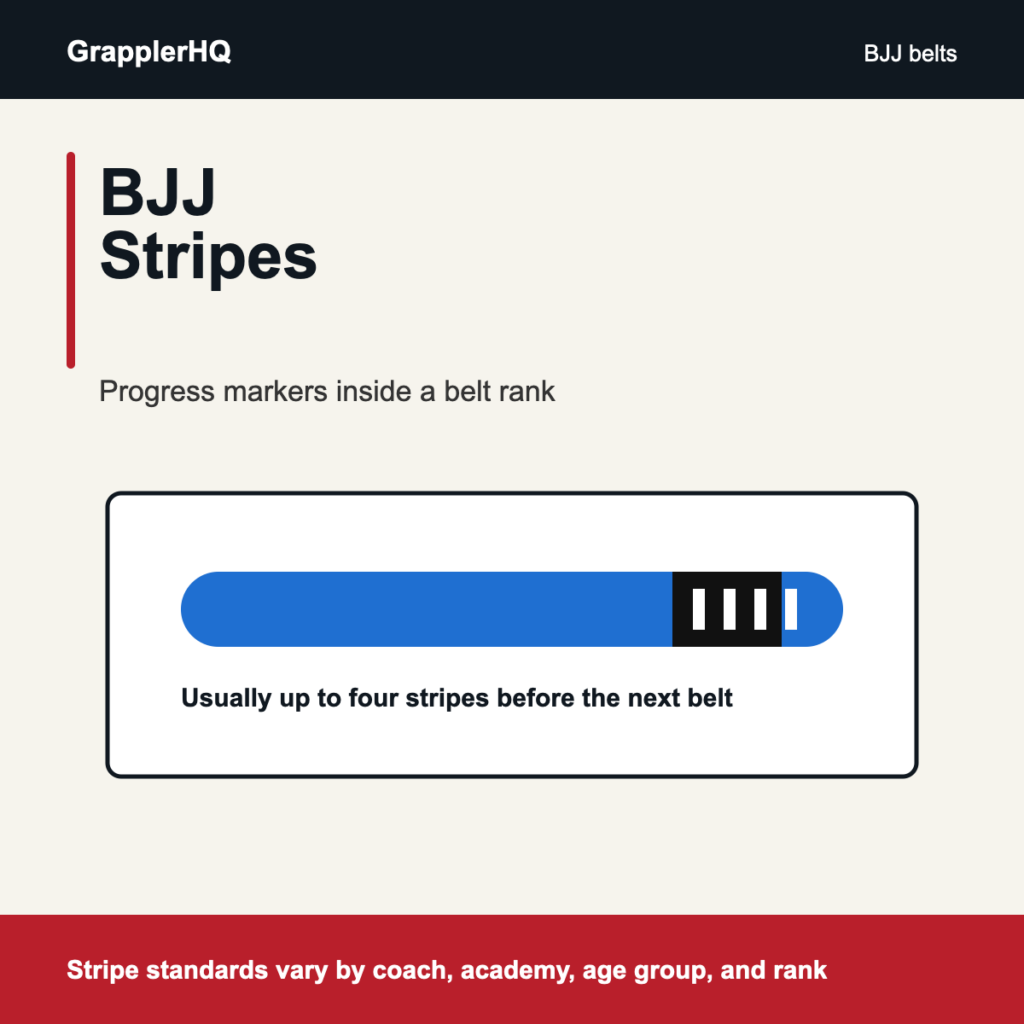
Learn what BJJ stripes mean, how many stripes are common, how they are awarded, and how colored-belt stripes differ from black-belt degrees.
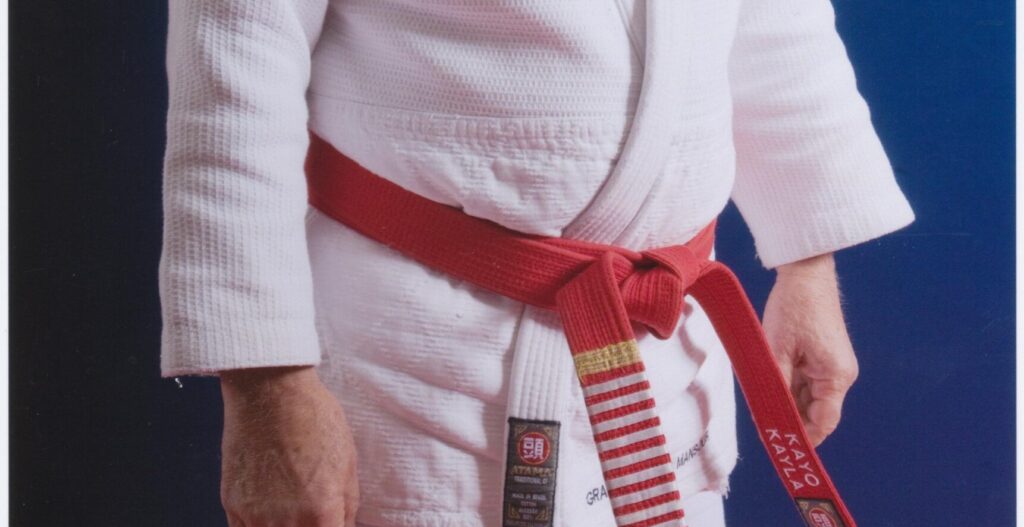
A BJJ coral belt is a senior rank above sixth-degree black belt. Learn what the red-and-black and red-and-white coral belts mean.

Quick answer: most practitioners reach BJJ black belt in 8–12 years of consistent training. Typical belt-by-belt timelines: white→blue 1–2 years,