

Tom Hardy’s Journey in Brazilian Jiu-Jitsu: From Hollywood to the Mat
Tom Hardy, renowned for his Hollywood roles, has also made a name in Brazilian Jiu-Jitsu (BJJ), progressing from a novice […]
Tom Hardy, renowned for his Hollywood roles, has also made a name in Brazilian Jiu-Jitsu (BJJ), progressing from a novice […]

ADCC 2026 day-one results: key upsets, all eight divisions and every semifinal matchup. Plus Sunday’s start times and how to watch day two.

Islam Makhachev’s latest win reignites MMA’s debate over control, damage and whether a champion’s job is to win—or entertain.

UFC 330 pits Mackenzie Dern’s elite BJJ against Gillian Robertson’s wrestling and top control. Here is the grappling matchup and prediction.

The D’Arce threads under the arm first — the anaconda goes under the neck. Mechanics, the figure-four finish, how it differs from the anaconda and arm-triangle, and UFC data.
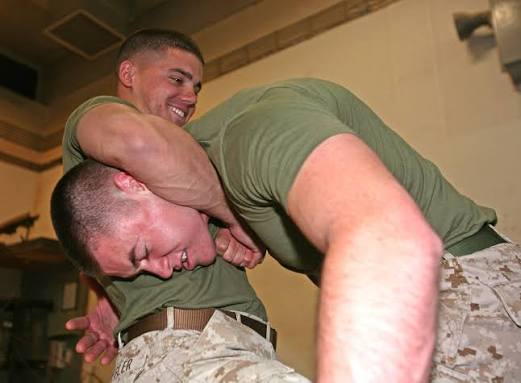
The guillotine is judo’s front naked choke and the 2nd most common UFC submission (293 finishes, 17.7%). High-elbow vs arm-in mechanics, finishing details and the Von Flue trap.
Free every Tuesday
The week’s biggest stories from BJJ, judo, wrestling, and submission grappling—curated for people who train.
Sent out weekly.Opt out anytime.
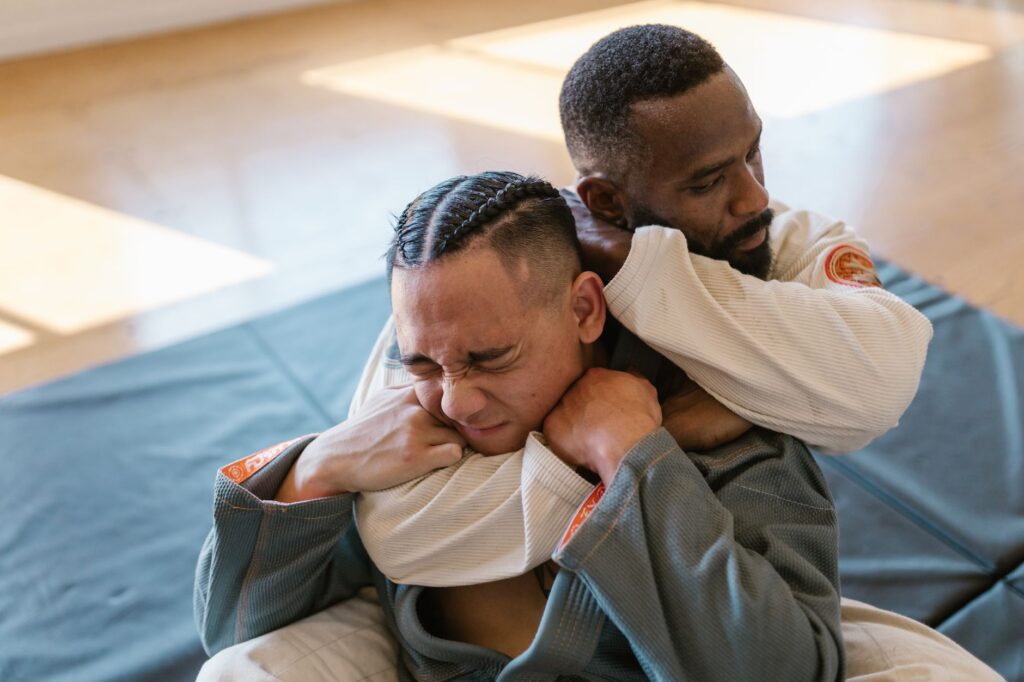
The rear naked choke accounts for 39.1% of all UFC submissions — more than the next three combined. How it works, why it is called naked, finishing details and defence.
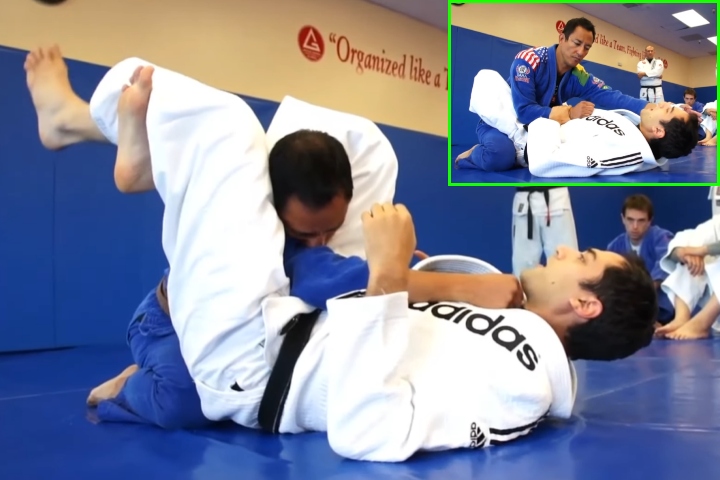
The triangle choke explained: how it actually closes both carotids, the five finishing details, why triangles fail, and where it ranks across 8,591 UFC bouts.
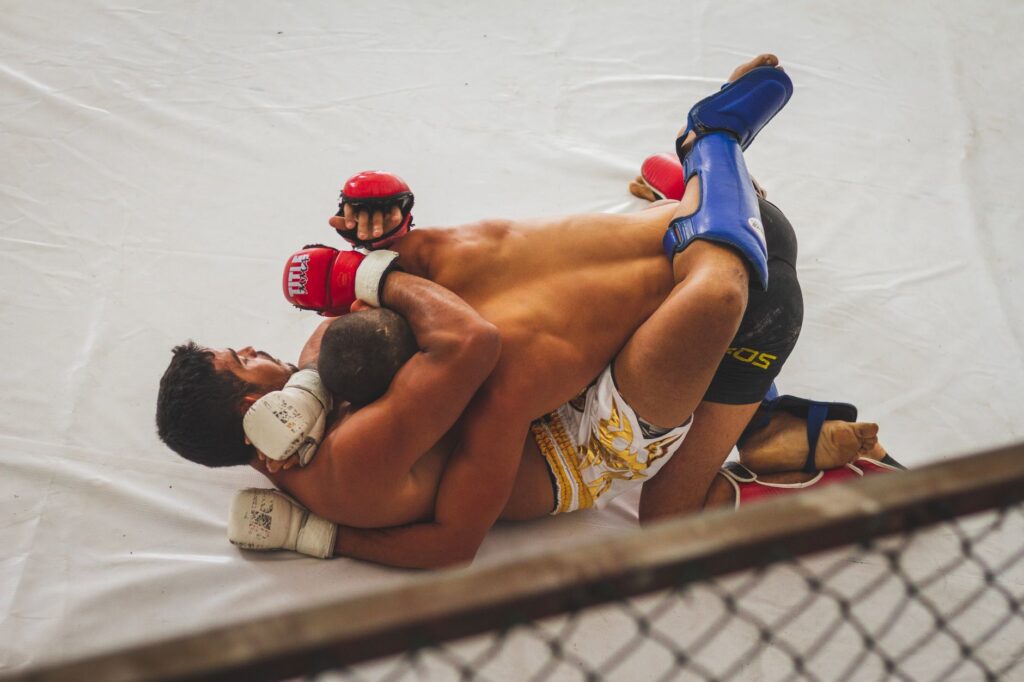
In catch wrestling a pin loses you the match; in BJJ it costs points. That one rule explains the guard, the submissions and the whole difference between the two arts.
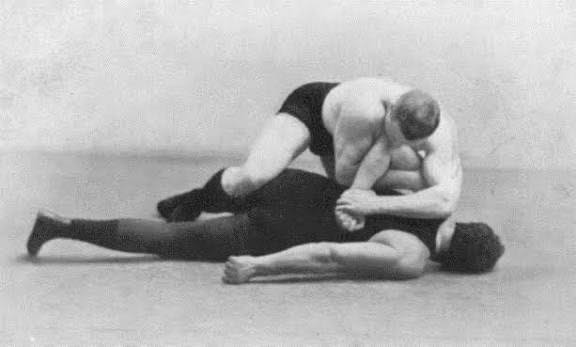
Catch wrestling explained: you win by pin or submission, and it is the only major wrestling style that allows both leg attacks and joint locks. How it became Olympic freestyle, and how it reached modern MMA.
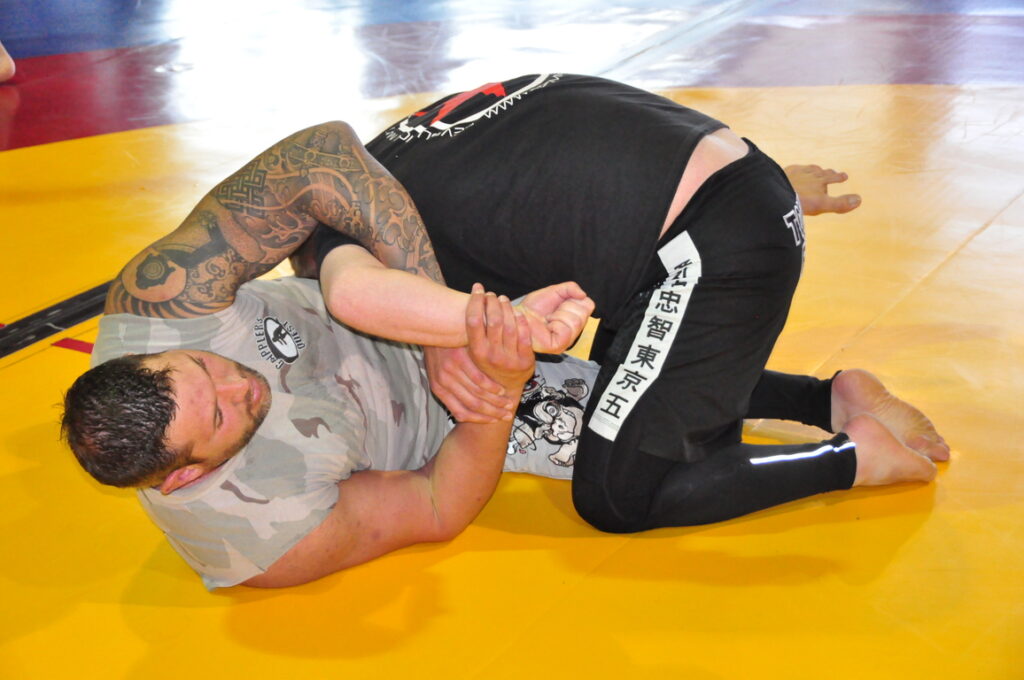
The kimura is a figure-four shoulder lock legal at every IBJJF belt in gi and no-gi. Grips, setups from seven positions, the kimura trap, defenses and the 1951 history behind the name.