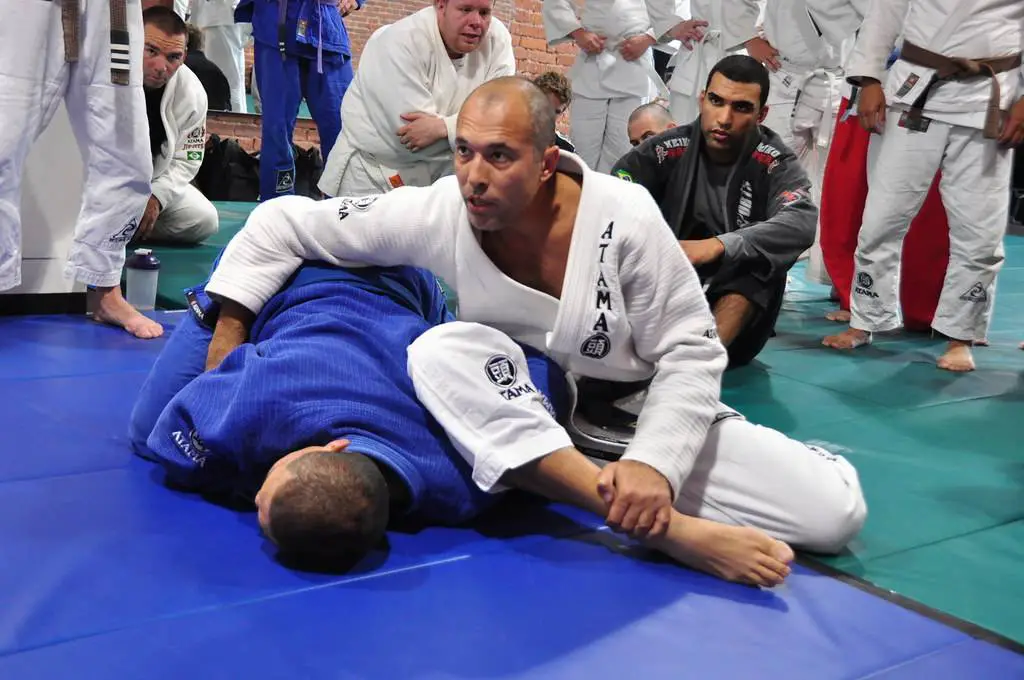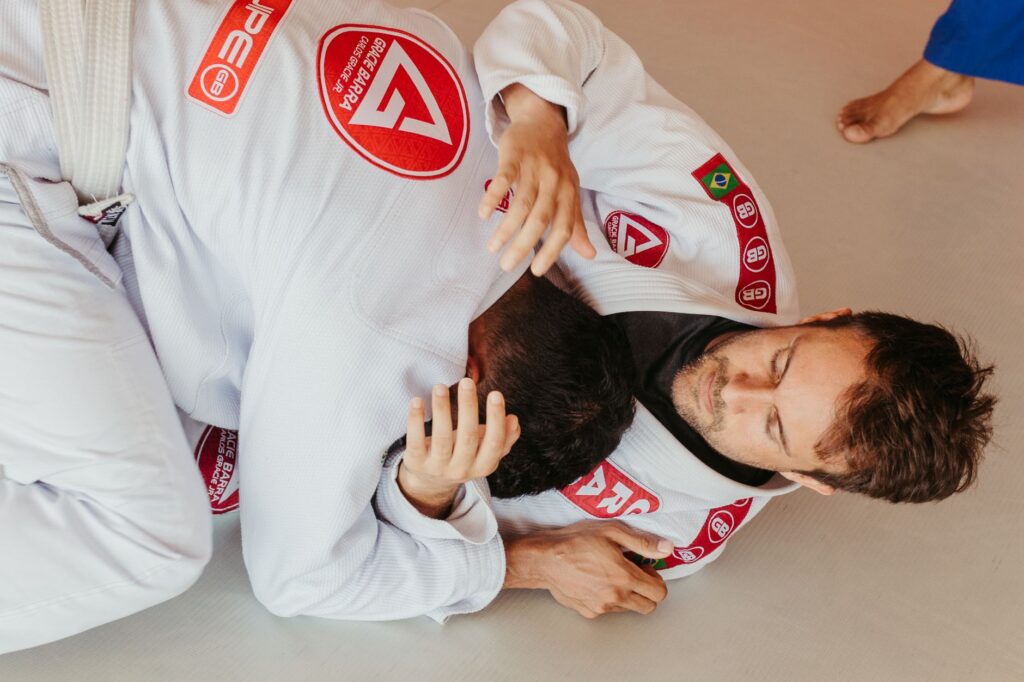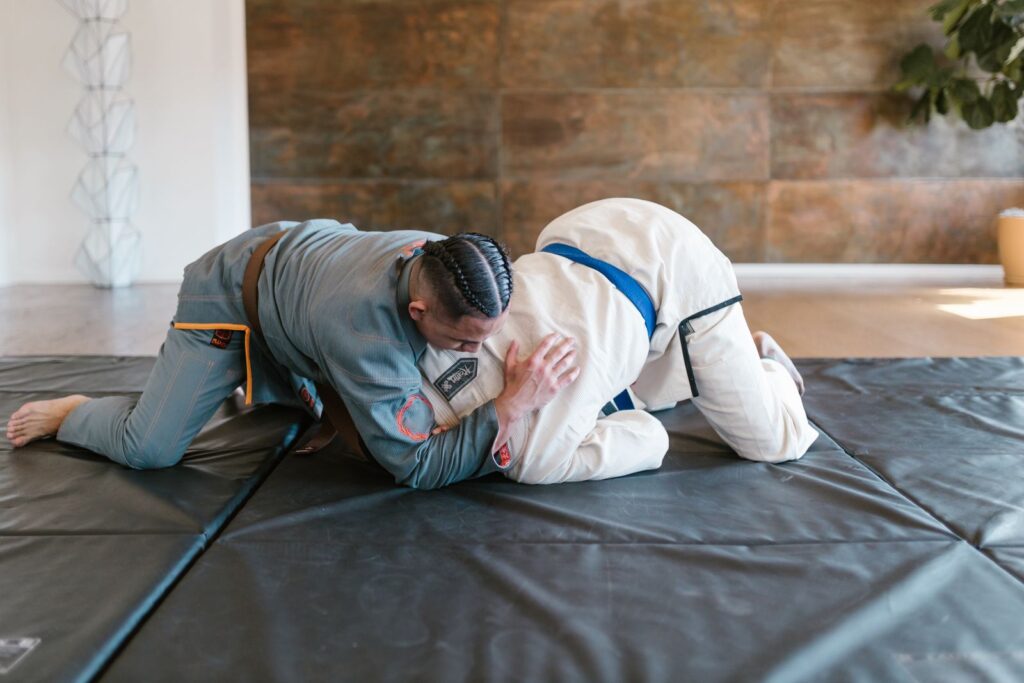
Quick answer: guard retention is the bottom player’s skill of keeping your legs between you and the passer before a guard pass is completed. It comes down to a small set of repeatable defensive fundamentals — frames, hip movement and angles — rather than one memorized response per pass. The checked Grapplearts sources anchor this guide in two universal responses: the frame and hip escape and the half granby, plus the “4H” drill for practicing them.
Last updated: November 11, 2026 (Pacific). Sources checked November 11, 2026 UTC.
This guide is educational. Practice under qualified coaching, apply pressure gradually, tap early, and release immediately when a partner taps or cannot communicate clearly.
Most beginner passes fail for the same reason: the bottom player gave up a frame, reacted too late, or fought with arms instead of hips. This guide teaches the bottom side of our guard-passing page.
Free every Tuesday
The Grappler Brief
The week’s biggest stories from BJJ, judo, wrestling, and submission grappling—curated for people who train.
Sent out weekly.Opt out anytime.
What is guard retention in BJJ?
You are in guard whenever you are on the bottom with your legs between you and the top player. Guard retention is everything you do to keep those legs in the way while the passer tries to move past — an early, defensive skill well before the pass is finished. It is deliberately different from two related skills:
- Guard recovery is what you do once the pass is already underway or you have been pinned — re-inserting a knee, shrimping out, rebuilding the guard after collapse. Covered in our BJJ guard recovery guide.
- Guard passing is the top player’s job of clearing the legs and establishing control. Our BJJ guard passing guide shows the threats you are retaining against.
If a beginner keeps getting passed, the cause is usually not “my guard is weak” — the defense just starts after the passer is already past the legs.
Guard retention at a glance
| Detail | What to know |
|---|---|
| Technique family | Defensive guard skill for the bottom player |
| Main goal | Keep your legs between you and the passer before control is established |
| Core pieces | Frames, hip movement, angles that keep you facing the passer |
| First priority | Frame before you move |
| Beginner practice | The “4H” frame-and-hip-escape drill from Grapplearts |
The fundamentals: frames, hips and angles
These three fundamentals come from the checked Grapplearts demonstrations, where Kesting describes guard retention as a few universal strategies rather than a counter for every grip and pressure combination.
1. A frame comes first
A frame is a straight structure — a stiff arm, an elbow, or a knee — that absorbs the passer’s weight without you squeezing it. In the checked Biernacki/Kesting demonstration, the framing arm is the “top arm” gripping the collar (thumb-down in the gi) or an elbow/hand in no-gi, pushed to hold the passer away. The cue is simple: “If I can get my knee in, that’s a good frame. If I can get my arm in, that’s also a good frame. If I can get both, that’s two good frames.” Aim for at least one frame before moving — it puts something between you and the passer’s weight.
Beginners often hear this as the knee-elbow connection: as the passer advances, keep a knee and an elbow inside so the space they need to cross stays closed. It is the same idea the live guard passing guide uses, and Grapplearts’ Open Guard System with Jon Thomas lists “Elbow-Knee Space” among its core guard-retention concepts.
2. Move the hips, not just the arms
In the same demonstration the escape is summarized as “I use a frame and then I move my hips.” The hip escape, or shrimp, pulls your hips away from the leading edge of the pass so you can recompose. The detail beginners miss: bring your heels toward your butt before pushing the hips back.
3. Angles keep you facing the passer
Get into base, scoot the hips back, and “recompose the hip angle” so you face the passer again — a guard that faces them has options; one turned away concedes the pass or the back. The same fundamentals power the z-guard and single-leg X later on.
The frame and hip escape: the first universal response
Kesting calls the frame and hip escape the first of the two most important guard-retention movements; the Biernacki/Kesting demonstration applies it to the knee cut:
- Frame with the collar and sleeve. Use a straight-arm frame, thumb-down collar grip in the gi, so the passer’s knee-cut pressure lands on your frame rather than your chest.
- Fight the grip when needed. A passing grip on your sleeve now forces them into a grip battle, because that arm is doing the framing.
- Get into base on your elbow or hand rather than staying flat on your back.
- Hip escape away and face them again. Scoot the hips back, recompose your hip angle, and re-enter the guard — Biernacki’s words for the reset are “abduct my hips backwards and reset my guard.”
The same video shows the concept against a leg-fold pass from butterfly (a punch or collar-tie grip, hips scooting back) and a standing X-pass (a hand frame, or an elbow frame when the passer is closer). The response adapts; the order — frame, then hips — does not.
When frames alone are not enough: the half granby
Sometimes the passer turns your legs so far to one side that you cannot get up onto an elbow to frame and scoot. In the checked half granby demonstration, Biernacki explains this is when you use the granby: invert partway, roll over the shoulder, and reset your guard facing them.
Two rules from that source matter more than the roll:
- Keep the frame during the roll. “If I try to granby away without the frame, I’m basically exposing my back.” The frame manages the distance while you recompose the hip angle.
- Only go partway. The half granby is not a full inversion to your feet — you only need to reach your shoulder. Biernacki teaches it to white belts: “you don’t have to be Gumby to granby.”
If your neck or spine carries weight, do not invert at all; rebuild the frame and reset instead. The half granby covers the moment the frame-and-hip-escape could not even start.
Common mistakes and better cues
| Mistake | Why it causes trouble | Better cue |
|---|---|---|
| Waiting until the knee is past you | The pass is already committed and the legs are gone | Move as soon as the pass starts — the checked video frames before the knee drops |
| Moving the hips before any frame exists | Movement without structure just gets you flattened again | Frame first, then hip escape; one frame minimum, two is better |
| Beating with a bent, squeezing arm | A bent arm fights your own structure and tires you out | Use a straight arm, or a knee, and let the bone carry the pressure |
| Dropping the frame during a granby | You expose the back while rolling | Maintain the frame through the roll; re-grip as soon as you land |
| Skipping the heels | Straight legs give almost no hip movement | Heels toward the butt, then push the hips away |
| Answering every pass with a new technique | You never get reps on the fundamentals that apply everywhere | Respond with the concept (frame → hips → face them); pass-specific details come later |
A simple practice progression: the 4H drill
Kesting’s beginner-friendly practice drill packages the frame and hip escape into one repetition you can run up and down the mat — the “4H”: Hand, Hand, Heels, Hips.
- Start on your back in a lazy butterfly guard while your partner pushes your legs to one side in an easy leg-fold style pass.
- Hand one: frame to the floor. Sit up and support your weight with a straight arm.
- Hand two: frame to the partner. Put the other hand on their shoulder and keep them away with a straight arm.
- Heels. Bring your heels toward your butt — the step Kesting flags as most often missed, and the reason the movement has any range at all.
- Hips. Escape your hips backwards, reset your guard facing them, and repeat on the other side as you travel down the mat.
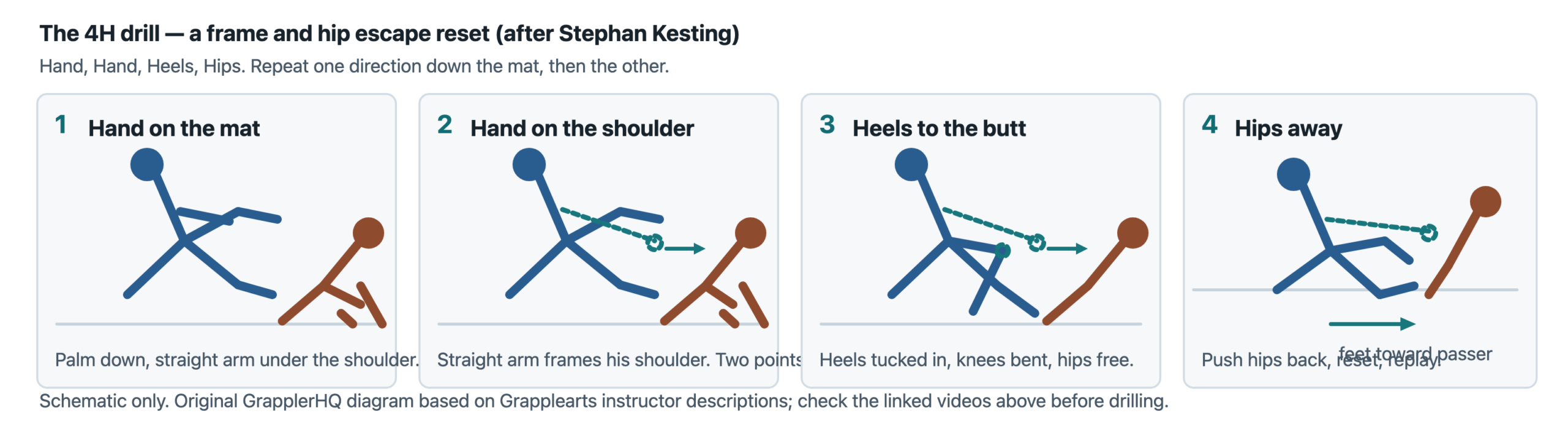
The linked videos show Biernacki’s fuller breakdown of the same movement and Kesting teaching it live. In real sparring you may reach an elbow rather than a straight hand — still valid, just a weaker frame — so the drill is practiced under ideal conditions first.
How to progress guard retention as a beginner
- Drill the 4H slowly with a cooperative partner, no resistance, until the order feels automatic on both sides.
- Add the pass at walking pace. Have the partner run a real knee-cut or leg-fold and pause whenever your frame collapses; reset rather than pushing through.
- Add half resistance while you keep the order: frame, heels, hips.
- Try the half granby under coaching only once the frame-and-hip-escape is reliable — it exists for the moment you could not get to base in time.
- Debrief live rounds with an upper belt watching: which frame was missing, or how late you started.
Guard retention FAQs
Is guard retention the same as guard recovery?
No. Retention keeps the legs between you and the passer before the pass is completed; recovery rebuilds the guard after a pass is underway or you’ve been pinned. They build on each other — see our guard recovery guide.
How do I stop the knee cut specifically?
Frame with a straight arm and collar grip early, get to base, hip escape away, and reset facing them. The checked sources use exactly this pass as their main example — though the grip may change, the order does not.
Do I need to be flexible to use the half granby?
Not in the way beginners fear. The half granby only goes partway — over the shoulder — and the checked source says he teaches it to white belts. A full inversion to the feet needs more range and is not the beginner version. Never force a roll when your neck or spine is under weight.
Why does my guard keep getting passed despite drilling?
Usually timing, not technique — the defense is starting after the legs are already going or the hips are flattened. The checked demonstration frames before the knee drops, at the very start of the pass.
Is guard retention legal in competition?
Yes. Keeping your guard is a basic, unrestricted defensive skill at every belt in both gi and no-gi under the rulesets we track. What varies by event is what happens around it (grip limits, which guard you retain into); see our BJJ rules and scoring guide for context.
Bottom line
Guard retention is the bottom player’s early defense: frame before you move, move your hips, and turn back to face the passer. The Grapplearts 4H drill builds all three in one repetition, and the half granby covers the moment a frame never formed. New to the position? Learn this alongside the white belt fundamentals.
Sources
- Two Most Important Guard Retention Techniques (Kesting, 2016) — frame and hip escape, half granby.
- An Easy and Effective Guard Retention Drill (Kesting, 2017) — the 4H drill and the heels-first detail.
- Guard Retention 1: The Frame and Hip Escape — Biernacki and Kesting — inspected November 11, 2026 (timestamps in
sources/teaching-verification.md). - Guard Retention 2: The Half Granby — Biernacki and Kesting — inspected November 11, 2026.
- The ‘4H’ Formula for Stopping the Guard Pass — Stephan Kesting — inspected November 11, 2026.
- Open Guard System with Jon Thomas, Grapplearts — names “Elbow-Knee Space” as a core guard-retention concept (landing page only; mechanics not extracted).