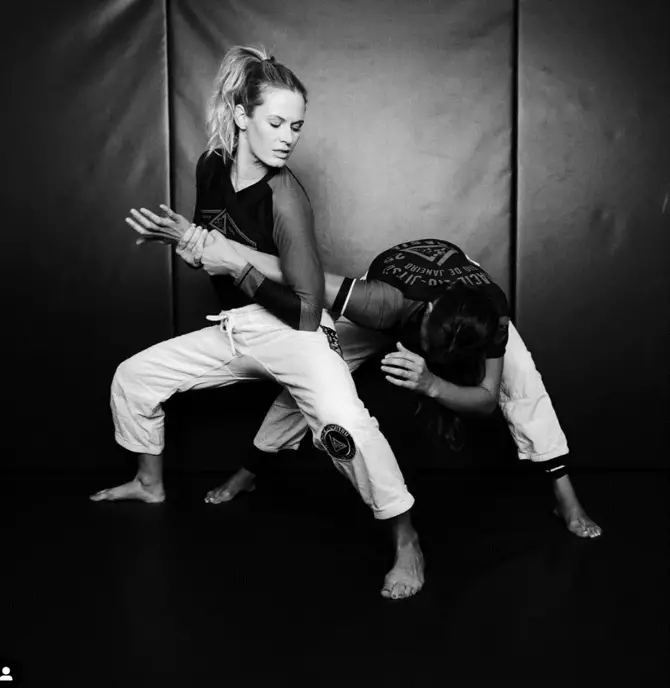
Quick answer: a typical first BJJ class is a short warmup, one or two techniques, some drilling with a partner, and usually a bit of controlled sparring (“rolling”) — the classic format described by BJJ black belt Stephan Kesting on Grapplearts. You do not need a gi, prior fitness, or any technique knowledge to start; most schools let a beginner train in a clean t-shirt and shorts, and the one habit that matters most is tapping early whenever something feels unsafe. Every gym runs its classes a little differently, so call ahead and confirm the first-class details, dress code and fees before you walk in.
Last updated: November 11, 2026. Sources checked November 11, 2026 UTC.
This guide is educational and is not medical advice. Train under qualified coaching, apply pressure gradually, tap early, and release immediately when a partner taps or cannot communicate clearly. If you feel injured, dizzy, or have pain that changes how you move, stop and get appropriate help.
This guide is about the class experience: what to expect before, during and after your first class, what to bring, and how to behave on the mats. It does not cover what to learn first — that roadmap lives in our BJJ for Beginners guide, and the broader getting-started FAQ handles cost, gym choice and training frequency.
Free every Tuesday
The Grappler Brief
The week’s biggest stories from BJJ, judo, wrestling, and submission grappling—curated for people who train.
Sent out weekly.Opt out anytime.
Your first BJJ class at a glance
| Question | Quick answer |
|---|---|
| How long is a class? | Usually 60–90 minutes including warmup, technique, drilling and rolling; check the schedule |
| Do I need a gi? | Usually not for your first class — a clean t-shirt and shorts work at most schools; you need a gi or no-gi kit if you continue |
| Will I spar on day one? | Often yes, at a controlled pace with a partner the coach picks; some schools keep beginners on drilling for a few weeks |
| What should I bring? | Water, clean training clothes, trimmed nails, and any protective gear you already own; flip-flops, a towel and a change of shirt help |
| What is the one rule that matters most? | Tap early and tap often — your partner stops the moment you tap |
Before you go: what to ask and what to bring
Most of the stress of a first class is guessing — and most of it is unnecessary. Kesting notes that at most schools “you can watch a class, meet the teacher and ask some questions before ever getting on the mats.” Before you go, call or message the gym and ask about trial pricing, class times, gi or no-gi format, gi rentals, and whether a separate beginners or fundamentals class exists.
What to wear
Kesting’s rule for the first class: you usually do not need to own a gi. A t-shirt, board shorts or sweatpants are fine at most schools, and you only buy a gi if you continue training. Avoid extra fabric — no baggy cargo shorts, belt loops or clothing with big pockets, because fingers and toes can get caught in them. Wear any protective gear you already own, such as knee braces, a mouthguard or a cup, and note that wrestling shoes are a club-by-club choice, so ask.
What to bring
| Item | Why it helps |
|---|---|
| Water bottle | You will sweat more than you expect; stay hydrated |
| Flip-flops or sandals | Street shoes stay off the mat; sandals protect your feet off the mats (and in the bathroom) |
| Towel and change of shirt | You will be soaked by the end; a dry change makes the trip home comfortable |
| Mouthguard (optional on day one) | Useful once you start rolling regularly; not essential for day one |
| Trimmed nails, hair tie, no jewelry | Kesting’s hygiene basics: short nails, long hair tied up, piercings and jewelry removed |
Kesting is blunt about hygiene, and it matters for everyone in the room: trim your fingernails and toenails, tie long hair up, and remove piercings before class. Arrive a few minutes early so you can introduce yourself, sign any waiver, change and stretch before instruction starts.
What actually happens in a BJJ class
Kesting describes the traditional structure as “a long warmup, then you’d be shown two or three new techniques, and then you’d spar.” Most schools still run a version of that skeleton, with details that vary by gym. Expect the following segments:
| Segment | What happens | Beginner note |
|---|---|---|
| Arrive and check in | You meet the instructor, sign in or sign a waiver, change, and get ready | Arrive 10–15 minutes early; ask about fees and dress code |
| Warmup | Group movement — jogging, push-ups — then solo drills like breakfalls and shrimping (hip escapes) | These moves are new to everyone; nobody does them right on day one |
| Technique | The instructor teaches one or two techniques and you practice them with a partner | Some schools follow a beginner curriculum; others teach the day’s topic. Ask questions after the demo |
| Drilling | You repeat the technique slowly with a partner, switching roles | Go slow and stay relaxed; focus on the shape of the move |
| Rolling (sparring) | Live practice in timed rounds, usually starting from the knees | Pick one small goal per round — “recover guard once” — and tap early |
| End of class | Class lines up, shakes hands, and may recap or answer questions | Shake hands or bump fists with the people you trained with |
Two things are worth knowing before the first class. First, the classic format is not universal: Kesting notes many schools now replace part of the long warmup with structured drills and games that pack in more repetitions — the argument behind his training-methods article. Both formats are normal. Second, a typical beginner lesson follows a “position before submission” logic: escape a bad position, advance to a better one, then finish — for example, escape mount, pass the guard to side control, take mount, then apply an armlock or choke. Nobody expects you to chain all of that on day one.
The parts that surprise first-timers
- You will be controlled by people smaller than you. That is the point of the art; position and leverage beat strength.
- You do not need to know anything. Kesting points out the warmup moves — breakfalls, shrimping — will probably be new to you, and that is expected. Just copy what everyone else is doing and try.
- The tap is the whole safety system. Tap your partner, the mat, or say “tap” loudly, and your partner must stop. Kesting is clear there is no shame in it and that you should ideally tap before it hurts.
- You will be tired and slightly overwhelmed. That is normal for the first few classes and it fades as you adapt.
BJJ etiquette on day one
Keep it simple on your first visit — the room does not expect you to know every unwritten rule. The essentials:
- Tap early and release immediately. When you tap, your partner stops; when your partner taps, you stop. This is the non-negotiable agreement of the sport.
- Stay clean. Clean body, clean clothes, trimmed nails, no strong scents, and cover cuts.
- Keep shoes off the mats. Use sandals or flip-flops whenever you are off the mats.
- Pay attention during instruction. Do not talk over the coach, and save deep questions for the right moment.
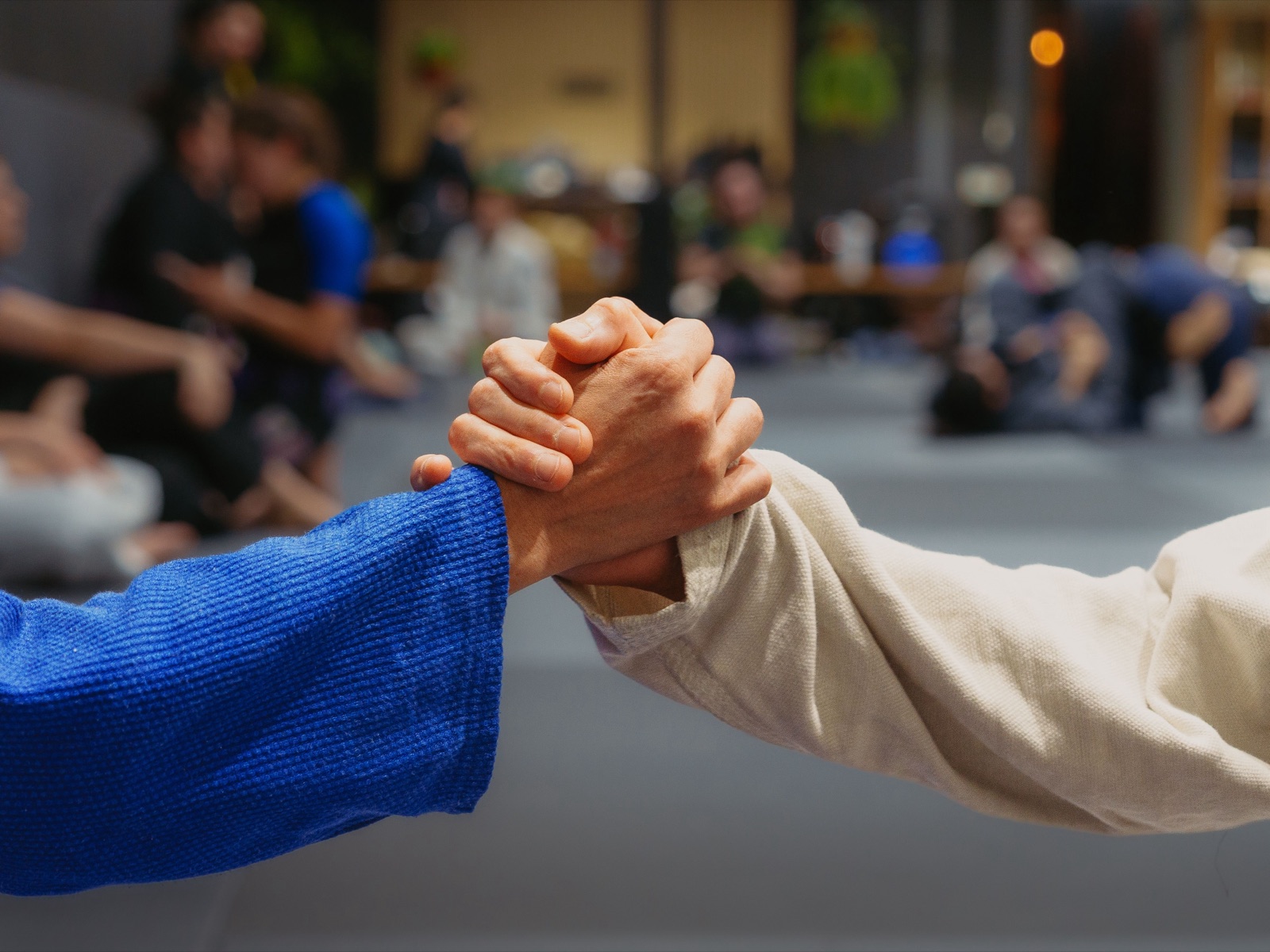
- Greet your partners. A handshake or fist bump before and after rolling is standard.
- Match your intensity to your partner. Roll controlled, especially with smaller or newer students.
That list covers the basics. Our full BJJ etiquette guide goes deeper into gym culture, rolling norms and the details that keep everyone safe.
Will you roll on day one?
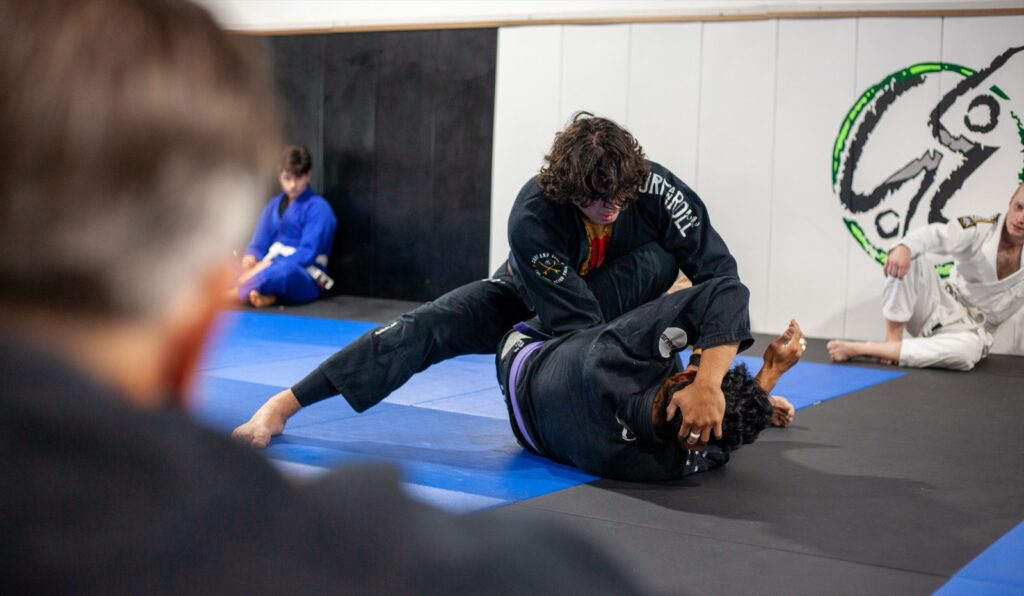
Often yes, but in a controlled way. Rolling is usually timed live sparring: you start facing your partner on your knees, shake hands, and try to apply what you just drilled. You stop at the tap, restart from the knees, and typically change partners between rounds. Some gyms keep beginners on drilling without full sparring for a week or two, so ask the coach what your school does.
Before your first roll, Kesting lists the standard safety rules for live drilling and sparring: no striking, no eye gouging or hair pulling, no twisting fingers, no slamming, no heel hooks and no neck cranks. If you feel a submission starting to lock in, tap. Your first goal in any round is simply to survive, breathe and try one thing you drilled.
After your first class
When class ends, shake hands with the people you trained with. Then keep it simple:
- Wash everything. Shower and launder your gear right after class — hygiene is a team sport on the mats.
- Decide on gear if you continue. You will need a gi for gi classes or a rash guard and shorts for no-gi. Our gi vs no-gi guide explains the difference, and our IBJJF gi requirements guide covers fit and colors if you ever want to compete.
- Ask about membership. Kesting notes this is the moment to discuss prices and set up a schedule if you enjoyed it.
- Set one small goal. Learn the names of the main positions, or work one escape. Our BJJ for Beginners roadmap, white belt guide and belt order guide explain what the first months look like and the progression you will see.
- Try an open mat when you are ready. Open mats are less structured drop-in sessions — our open mat guide explains how they work and what to bring.
First BJJ class FAQ
Do I need to be fit to start BJJ?
No. BJJ builds conditioning as you train, and nobody expects you to arrive fit. The first few classes are tiring, then you adapt. If you have a medical condition, talk to a qualified healthcare professional before starting and tell your coach.
Do I need a gi for my first class?
Usually not. At most schools a clean t-shirt and shorts work for the first visit, and many gyms loan or rent gis for trial classes. You need your own gi (or no-gi kit) if you continue.
Will I get hurt?
BJJ is designed to be trained safely, and the tap system exists to stop exchanges before injury. Risk drops when you tap early, keep your intensity controlled, and stop when your partner taps. Most beginners end up sore rather than injured, but if you feel real pain that changes how you move, stop and get appropriate help.
What does “tap” mean?
Tapping is how you signal that you are submitting. You tap your partner, the mat, or yourself, or say “tap” loudly, and your partner must release immediately. Beginners should tap early and often — it is expected, not embarrassing.
What if I am the only beginner in the room?
Experienced students are used to coaching newcomers. Tell the instructor you are new before class starts so they can place you with a patient partner and warn them to go light.
Bottom line
Your first BJJ class is usually warmup, one or two techniques, drilling, and controlled rolling — the format Kesting describes on Grapplearts. Call ahead, wear clean clothes with no pockets, bring water and trimmed nails, arrive early, and make the tap your best friend. The goal is not to win; it is to show up, survive, and decide whether you want to come back. For the learning side — what to drill first, how the positions fit together — pick up our BJJ for Beginners roadmap.
Sources
- Stephan Kesting, “Starting BJJ: What to Expect on your First Class”, Grapplearts (2012-03-16) — class format, what to wear, hygiene, tapping, sparring rules and after-class steps; page fetched November 11, 2026.
- Stephan Kesting, “Training Methods Are More Important Than Techniques!”, Grapplearts (2023-12-15) — the classic “long warmup, then techniques, then spar” format and the note that many schools now use games and drills; page fetched November 11, 2026.
- Stephan Kesting, “The 16 Most Important Techniques for the BJJ Beginner”, Grapplearts (2025-09-01) — why beginners should prioritize basics, escapes and guard replacement before advanced moves; page fetched November 11, 2026.