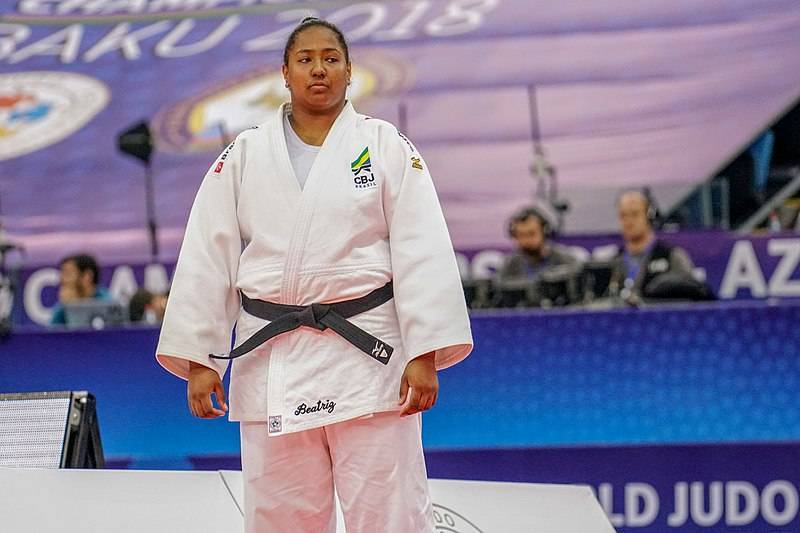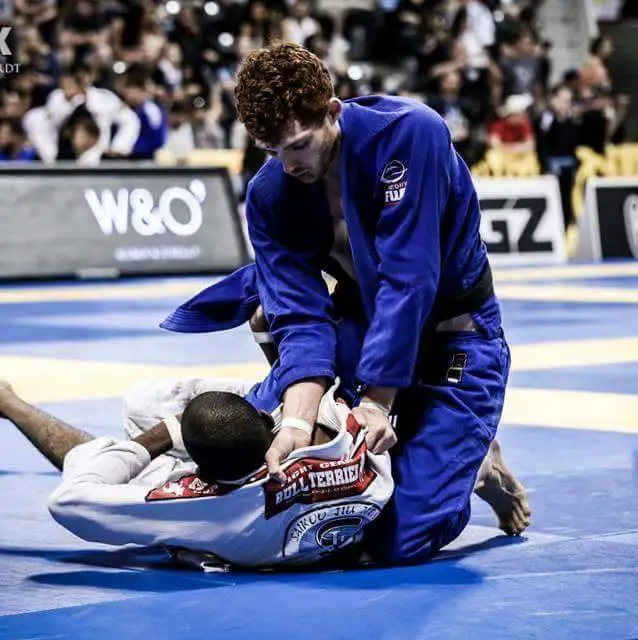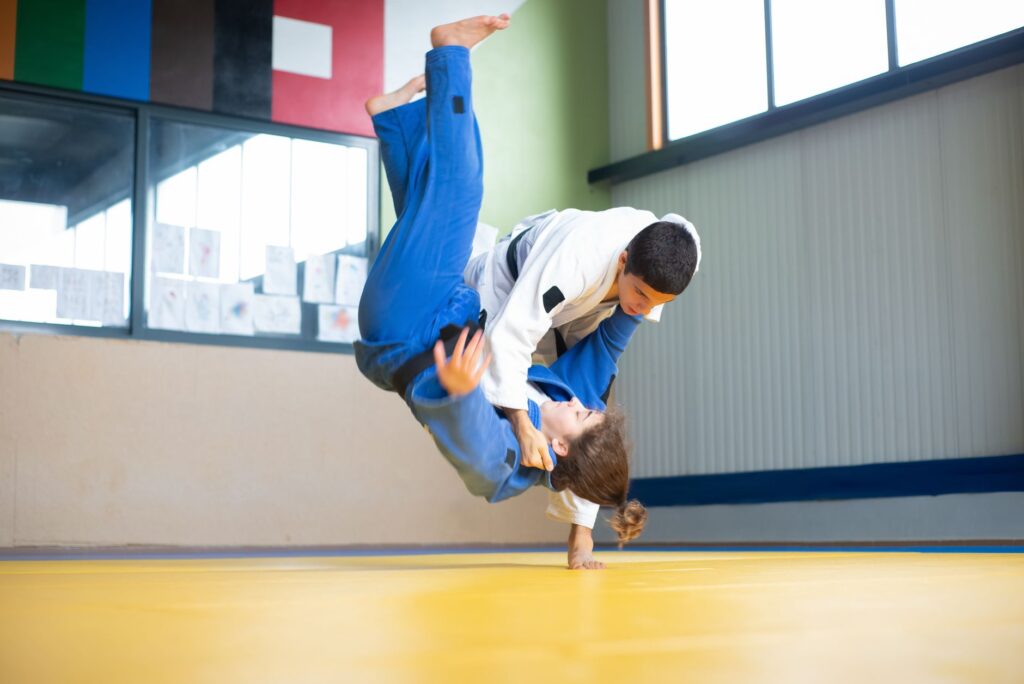
Quick answer: sambo and judo are close cousins — sambo was partly built from judo in the 1930s — but they made opposite decisions about submissions. Judo allows chokes and bans leg locks; Sport Sambo bans chokes and allows leg locks. Judo is fought barefoot in a full gi and won outright with ippon; sambo is fought in a short jacket, shorts and wrestling boots, and won with a perfect throw, a submission, or an 8-point lead. Judo has banned direct leg grabs in standing exchanges since the early 2010s; sambo never did, so single- and double-legs remain a core part of its game.
Last updated: July 28, 2026. Sambo rules here come from the official FIAS International SAMBO Rules; judo rules from the International Judo Federation. Check current rule books before competing in either.
If you have trained judo and you watch a sambo match, almost everything looks familiar until someone drops for an ankle lock and nobody stops the fight. That moment is the whole comparison in miniature. The two arts share a parent, a posture and a throwing vocabulary — and then diverge on exactly which submissions they are willing to allow.
Sambo vs judo at a glance
| Question | Sambo | Judo |
|---|---|---|
| Uniform | Kurtka (short jacket), shorts, belt, wrestling boots | Full judogi (jacket and trousers), barefoot |
| Chokes | Banned in Sport Sambo | Legal — a core finishing method |
| Leg locks | Legal (ankle locks, knee bars) | Banned at every level |
| Leg grabs standing | Legal — single- and double-legs are standard | Banned in standing exchanges under IJF rules |
| Instant win | Perfect throw, submission, or 8-point lead | Ippon |
| Pin | 20 seconds = 4 points (does not end the bout) | 20 seconds = ippon (ends the bout) |
| Match length | 5 minutes (adults) | 4 minutes (adults), plus golden score |
| Governing body | FIAS | IJF — Olympic sport since 1964 |
Sambo vs judo: the core difference
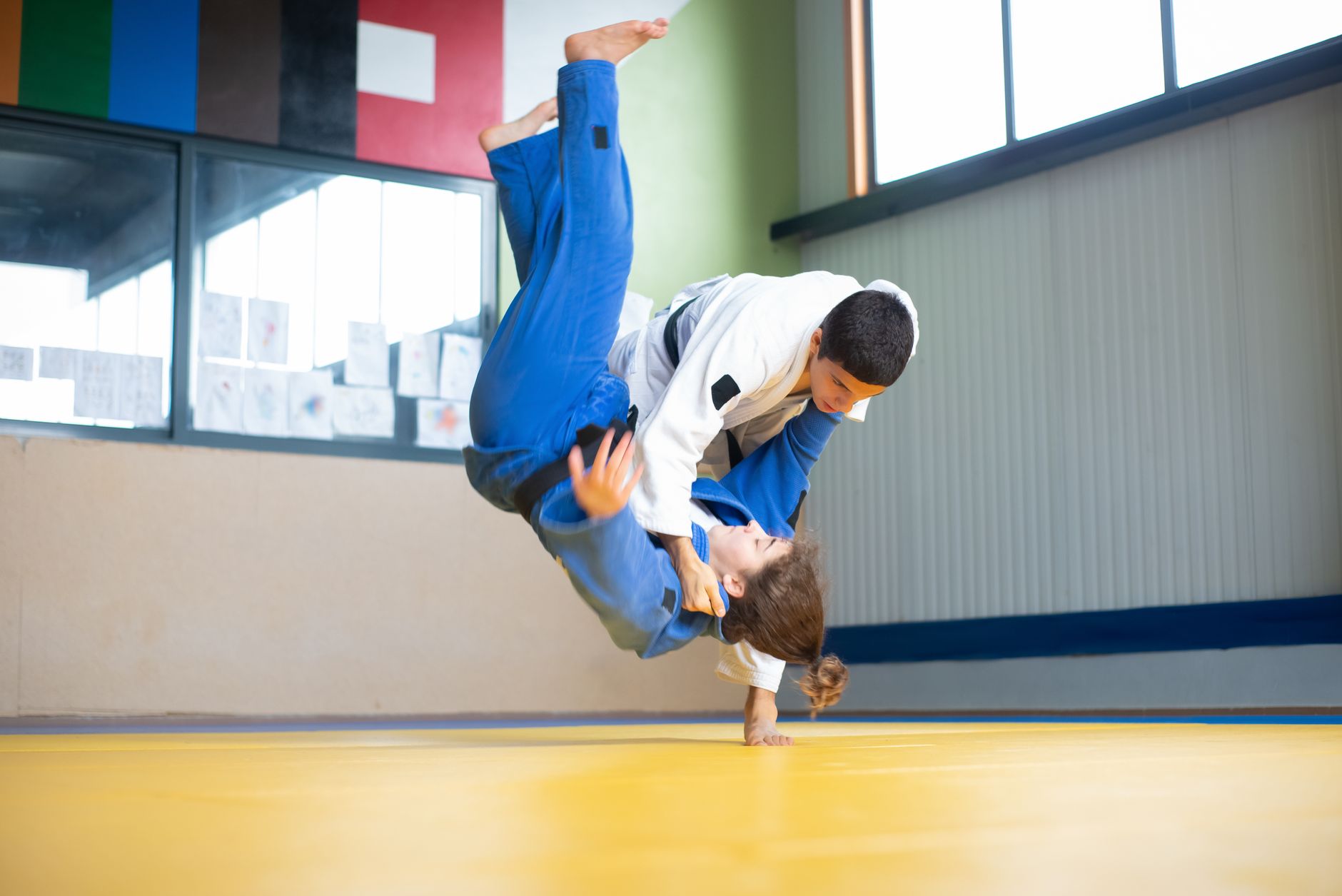
Judo’s rule set is built around one idea: the perfect throw ends everything. Ippon rewards a single decisive technique, and the whole art bends toward producing it — grip fighting, off-balancing, committed entries. Submissions exist as a secondary route, and they are limited to strangles and elbow locks.
Free every Tuesday
The Grappler Brief
The week’s biggest stories from BJJ, judo, wrestling, and submission grappling—curated for people who train.
Sent out weekly.Opt out anytime.
Sambo also rewards the perfect throw, but it does not stop there. A pin that would end a judo match — 20 seconds of control — is worth 4 points in sambo and the fight continues. Meanwhile the submission set runs the other way: no chokes at all, but ankle locks and knee bars are legal and common. A sambo player’s finishing game lives below the waist; a judoka’s lives above it.
The other structural difference is the leg grab. Modern IJF rules ban direct grabs of the legs in standing exchanges — no single-legs, no double-legs. Sambo kept them. So a sambo player entering judo has to unlearn a chunk of their takedown game, while a judoka entering sambo gains options rather than losing them.
The uniform changes more than it looks
The kurtka is shorter and tighter than a judogi and has open shoulder loops that give a grip judo does not offer. There are no trousers to grab — sambo wears shorts — so the leg grips that feature heavily in judo simply do not exist. The rule book requires at least 10 cm of clearance inside the sleeve and jacket laps hanging 25–30 cm below the waistline.
Then there are the boots. Sambo is fought in soft wrestling shoes, judo barefoot. That sounds trivial and is not: footwear changes friction, which changes how foot sweeps land and how easily you can pivot for a hip throw. Judoka trying sambo often report their foot sweeps feeling wrong for the first few sessions.
How training feels
Judo classes are usually the more formal room: bowing, structured warm-ups, breakfalls, uchikomi drilling, then randori. The technical curriculum is deep and well codified, and most clubs will spend real time on falling safely before they let you throw hard.
Sambo rooms tend to feel closer to a wrestling practice with jackets on — a bit less ceremony, more emphasis on scrambling and on finishing from the ground. Because leg locks are legal from the start, sambo beginners get exposed to leg entanglements far earlier than judoka or gi BJJ players do, which is a genuine safety consideration and one reason good coaching matters.
Access is the practical divider. Judo clubs exist almost everywhere and are usually inexpensive; sambo clubs are concentrated in Russia and the former Soviet states and are scarce elsewhere. For most readers outside those countries, judo is available and sambo may require travel.
Which is better for MMA, BJJ, or self-defence?
MMA: sambo, and particularly combat sambo, which already includes strikes and chokes in one rule set. The legal leg grabs also transfer directly — a sambo player’s double-leg works in a cage, whereas a judoka has to rebuild a takedown game the IJF rules forbade. Judo still produces excellent fighters, but they adapt more.
BJJ: closer than you would think, and it depends on ruleset. Judo transfers beautifully to gi BJJ — the grips are nearly identical. Sambo transfers better to no-gi and to submission-only events, because of the leg-lock overlap and the wrestling-style takedowns. Our gi vs no-gi guide explains why that distinction matters.
Self-defence: both are strong for the same reason — they teach you to put someone on the ground hard, in clothing, against resistance. Sambo’s name literally means “self-defence without weapons” and combat sambo includes striking. Judo’s advantage is availability and a slightly deeper safety culture around falling.
Can you train both?
Yes, and the crossover is unusually clean because the throwing base is shared. Plenty of athletes compete in both — the Soviet and post-Soviet judo teams have drawn heavily on sambo players for decades, and the exchange runs both ways.
The adjustments to watch are the rule-set traps rather than technique gaps: a sambo player must stop reaching for legs in a judo match, and must remember that a 20-second pin ends a judo bout. A judoka in sambo must remember that chokes are illegal and that their legs are now a target. Neither takes long to internalise, but both cost matches while you learn.
FAQ
Is sambo just Russian judo?
No. Judo is one of sambo’s parents, but sambo also drew on the folk wrestling styles of the former USSR, uses a different uniform, bans chokes, permits leg locks and standing leg grabs, and scores throws on a points scale rather than a single ippon.
Why are chokes banned in sambo?
The chokehold sits on Sport Sambo’s prohibited-technique list under the FIAS rules. Chokes are legal in Combat Sambo, where a choke causing loss of consciousness is scored as a total victory — so the ban is specific to the sport discipline, not to sambo as a whole.
Which has better throws, sambo or judo?
They are comparable, with different emphases. Judo’s throwing curriculum is deeper and more codified, and ippon rewards perfection. Sambo has a broader entry set because it never banned leg grabs, so it retains single-legs, double-legs and other wrestling-style attacks alongside classical jacket throws.
Do sambo and judo use the same belt system?
No. Judo uses the familiar coloured belt and dan grading covered in our judo belt order guide. In sambo the belt is part of the uniform rather than a rank marker, and progression is expressed through competitive titles and sporting classifications.
Which is harder to learn?
Judo front-loads more technical frustration, because landing a throw on a resisting opponent takes years and the ippon standard is unforgiving. Sambo gives you more ways to score and more submission options early, but its legal leg locks mean beginners face a category of danger judo simply removes.
Bottom line
Sambo and judo are the same idea with the submission rules inverted. Judo gives you strangles, ippon and a barefoot gi game with no leg grabs; sambo gives you leg locks, wrestling takedowns and boots, but takes the choke away. For MMA, sambo transfers more directly. For gi grappling and for finding a club near you, judo wins on availability. If you can train both, the combination covers almost the whole standing game — see also our judo vs wrestling comparison and the judo hub.