
BJJ Rules and Scoring: Points, Penalties, and IBJJF Basics
Learn BJJ rules and scoring basics, including points, advantages, penalties, submissions, IBJJF-style scoring, and beginner competition tips.
Learn BJJ rules and scoring basics, including points, advantages, penalties, submissions, IBJJF-style scoring, and beginner competition tips.
Learn IBJJF no-gi rules for beginners, including scoring, uniforms, weigh-ins, legal techniques, and competition strategy.
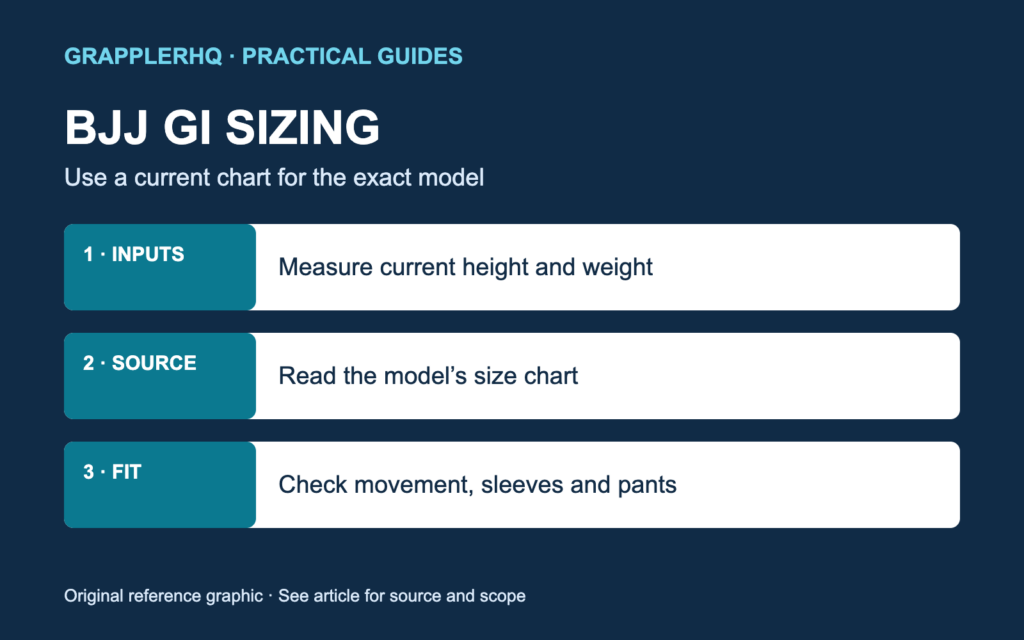
A source-specific gi size chart with two worked examples, measurement checks and practical between-size decisions.

Official IBJJF gi requirements for 2026: legal colors, inspection measurements, belt and patch rules, and what fails gi inspection.
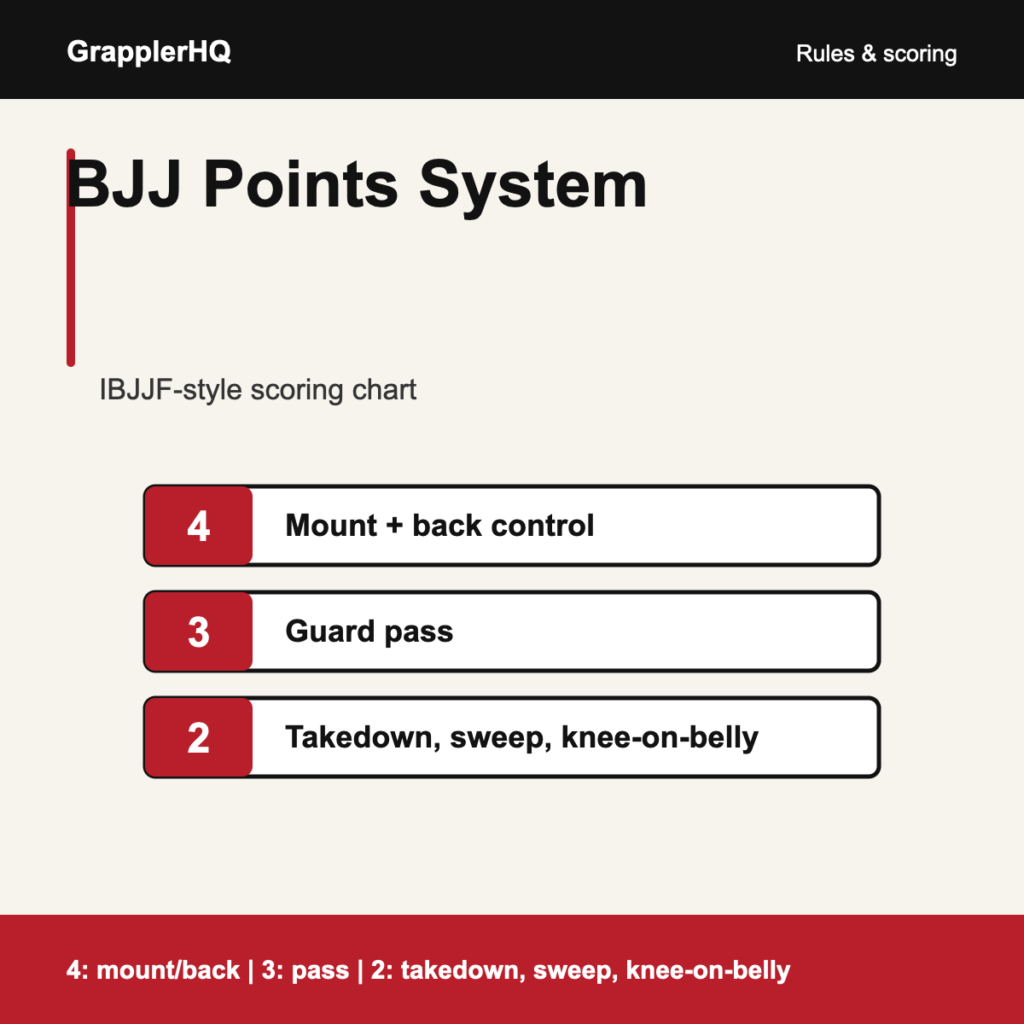
IBJJF scoring explained with the 4–3–2 chart, three-second stabilization, qualifying back control and worked tiebreak examples.

Start BJJ with positions, escapes, guard basics, passing concepts, and a first-month roadmap instead of chasing random submissions.
Free every Tuesday
The week’s biggest stories from BJJ, judo, wrestling, and submission grappling—curated for people who train.
Sent out weekly.Opt out anytime.
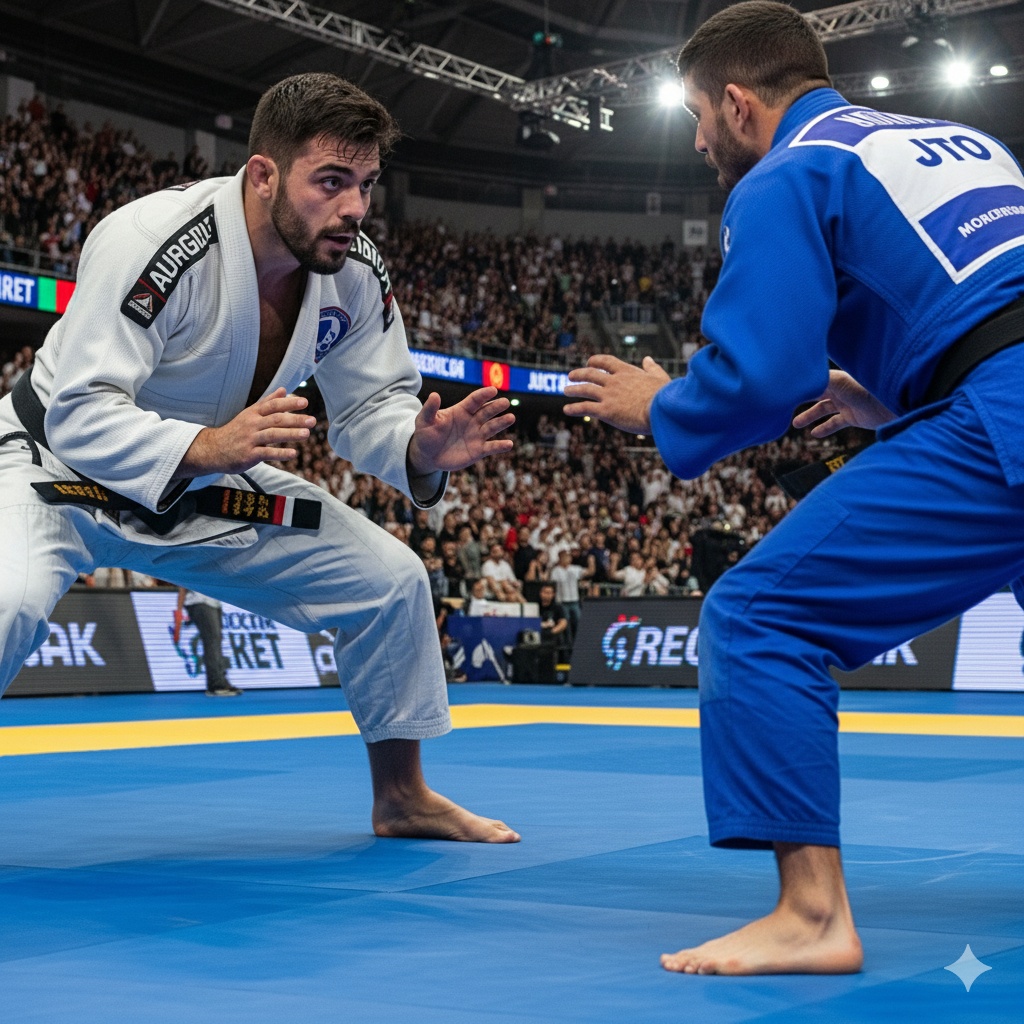
BJJ is Brazilian Jiu Jitsu, a ground-focused grappling art. Jiu jitsu is a broader term that can also mean Japanese jujutsu or traditional self-defense systems.
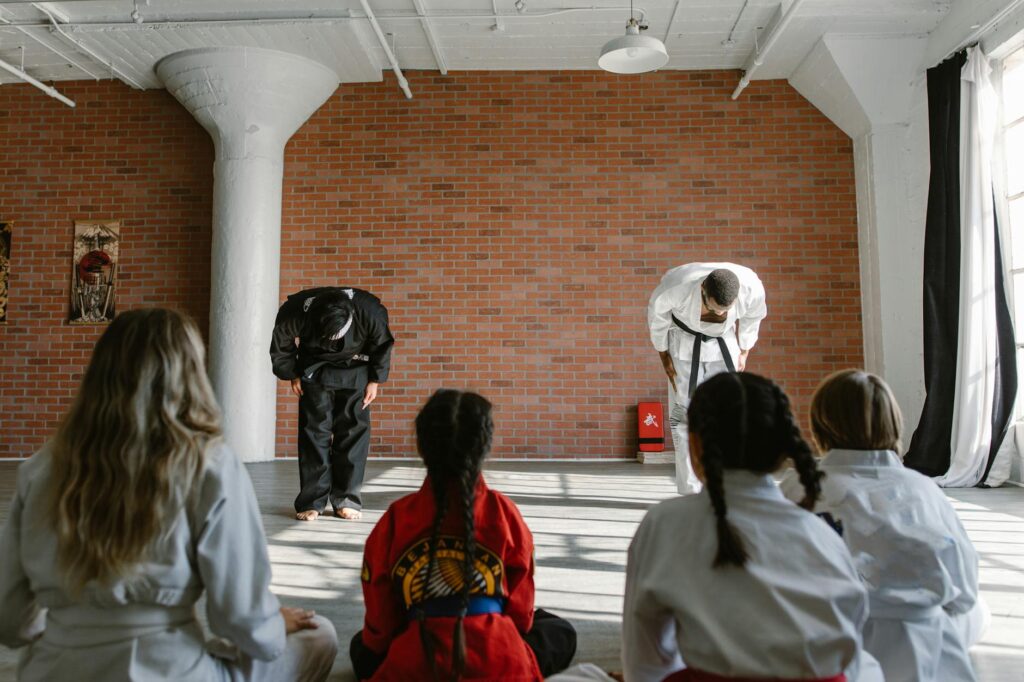
“OSS” (also written as “Oss”) is a term of acknowledgment, respect, and encouragement used widely in Brazilian jiu-jitsu and other

Summary: As of 2026, Brazilian Jiu-Jitsu (BJJ) remains a premier choice for self-defense, equipping practitioners with practical skills to handle
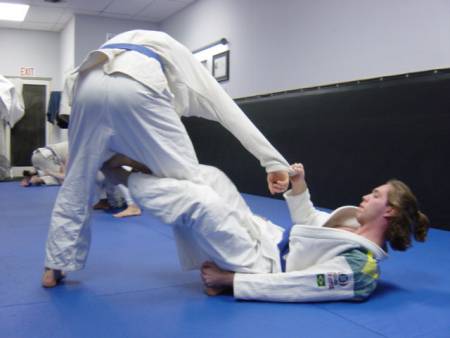
The De La Riva guard, named after BJJ black belt Ricardo De La Riva, is a pivotal technique in Brazilian