
BJJ Gi Size Chart: Find Your Perfect Fit (2026 Guide)
Use this BJJ gi size chart to choose the right A, F, or W size, then adjust for body type, brand fit, shrinkage, and competition rules.
Use this BJJ gi size chart to choose the right A, F, or W size, then adjust for body type, brand fit, shrinkage, and competition rules.
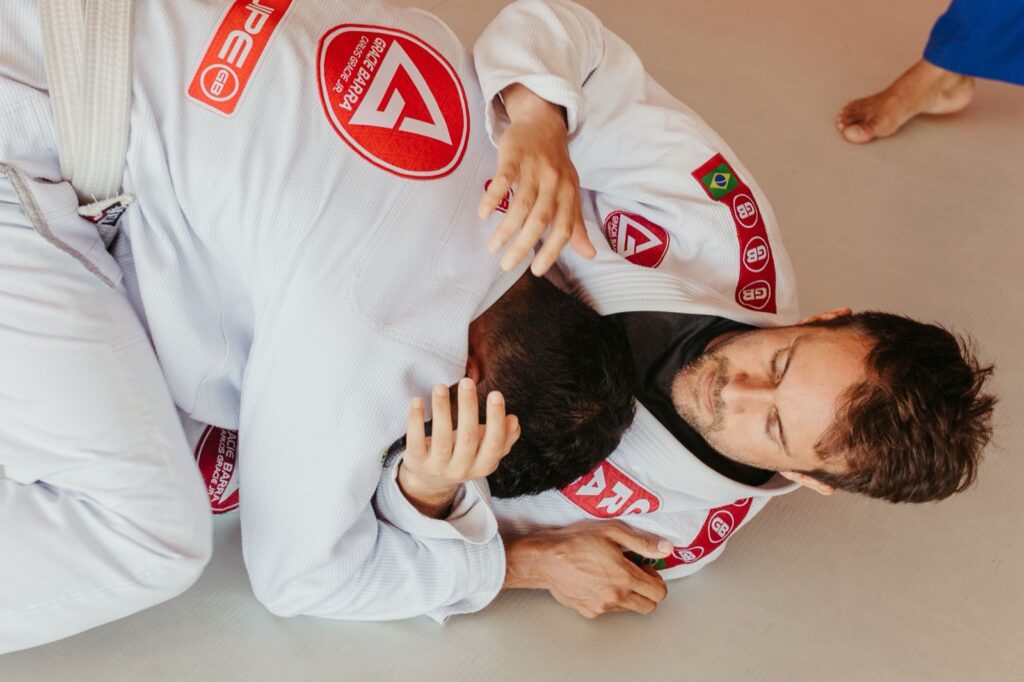
Official IBJJF gi requirements for 2026: legal colors, inspection measurements, belt and patch rules, and what fails gi inspection.
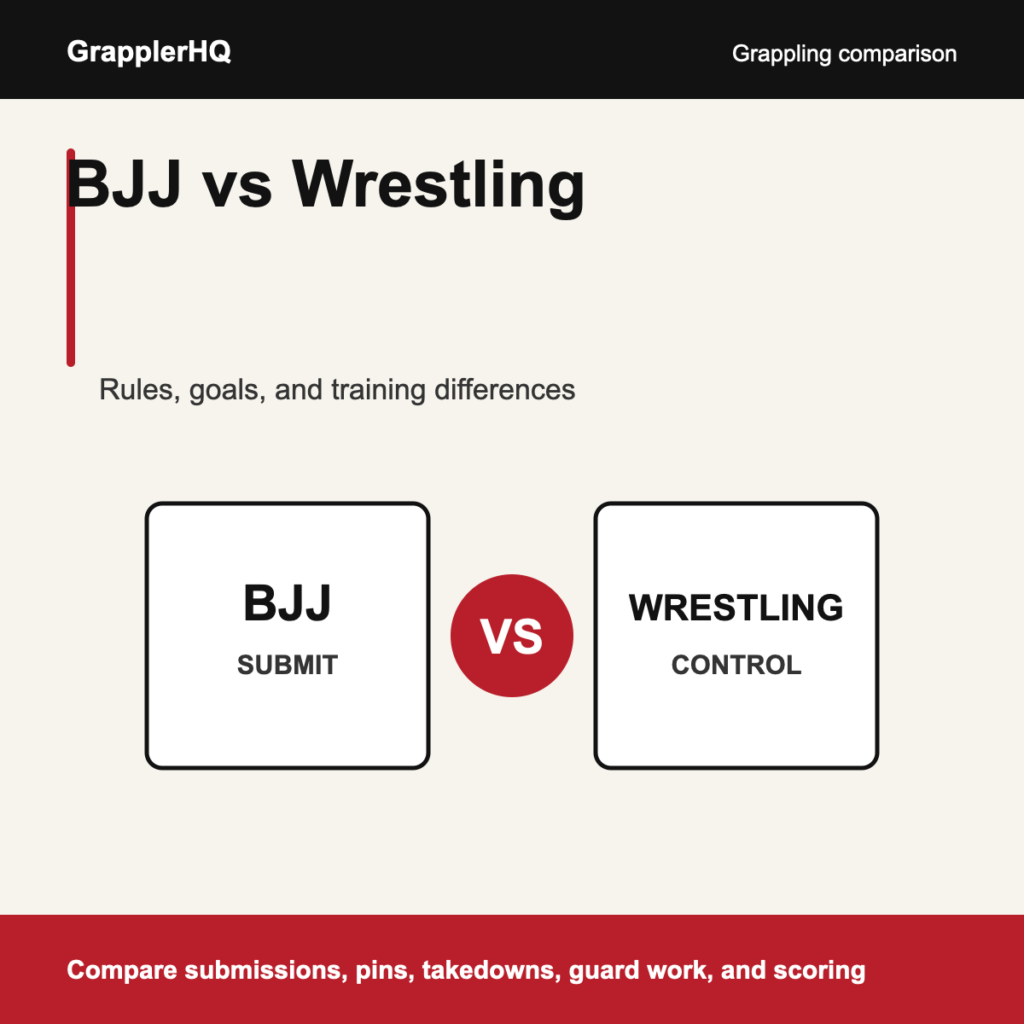
Compare BJJ vs wrestling for beginners, self defense, MMA, takedowns, submissions, and which grappling style you should train first.
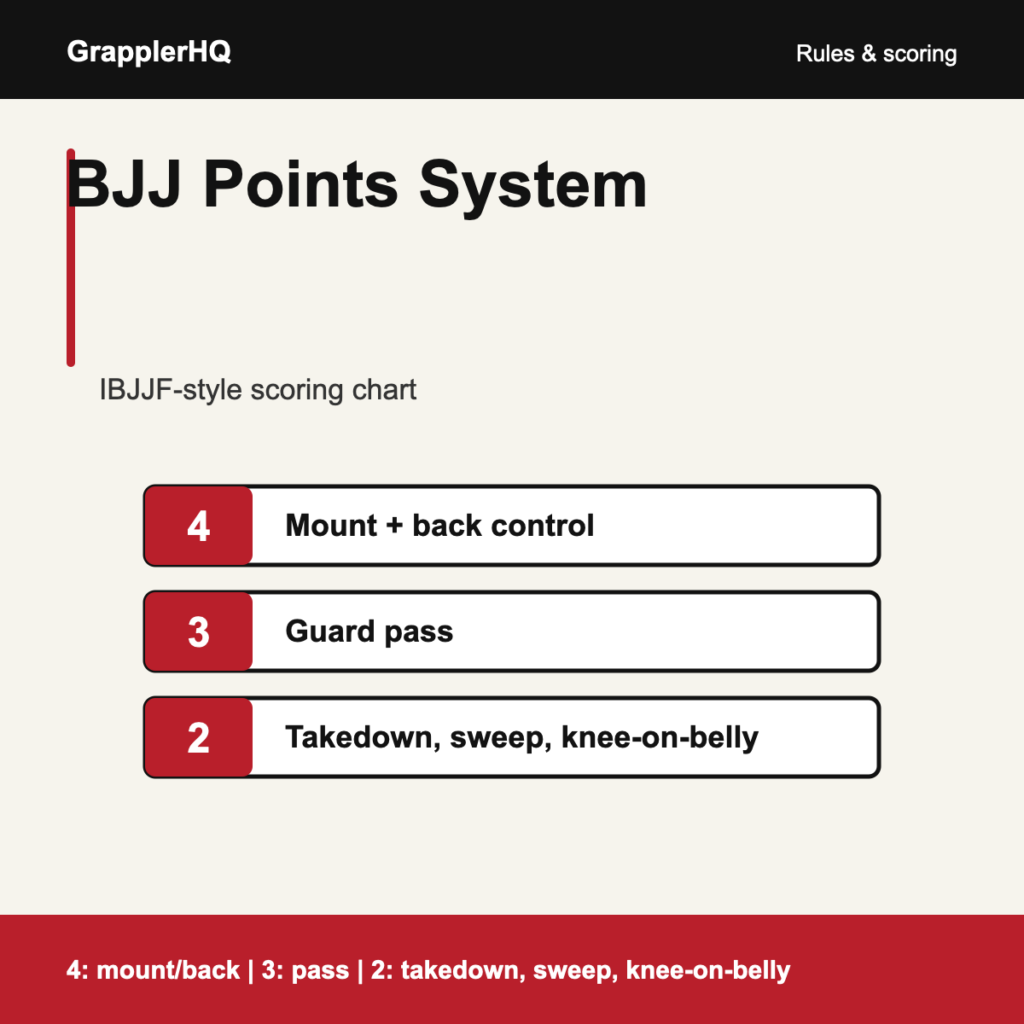
Learn the BJJ points system with an IBJJF-style scoring chart, examples, advantages, penalties, and beginner strategy.

Start BJJ with positions, escapes, guard basics, passing concepts, and a first-month roadmap instead of chasing random submissions.

A safety-first guide to water loading and weight cutting for BJJ, including weigh-in timing, risks, safer alternatives, and beginner competition planning.
Free every Tuesday
The week’s biggest stories from BJJ, judo, wrestling, and submission grappling—curated for people who train.
Sent out weekly.Opt out anytime.
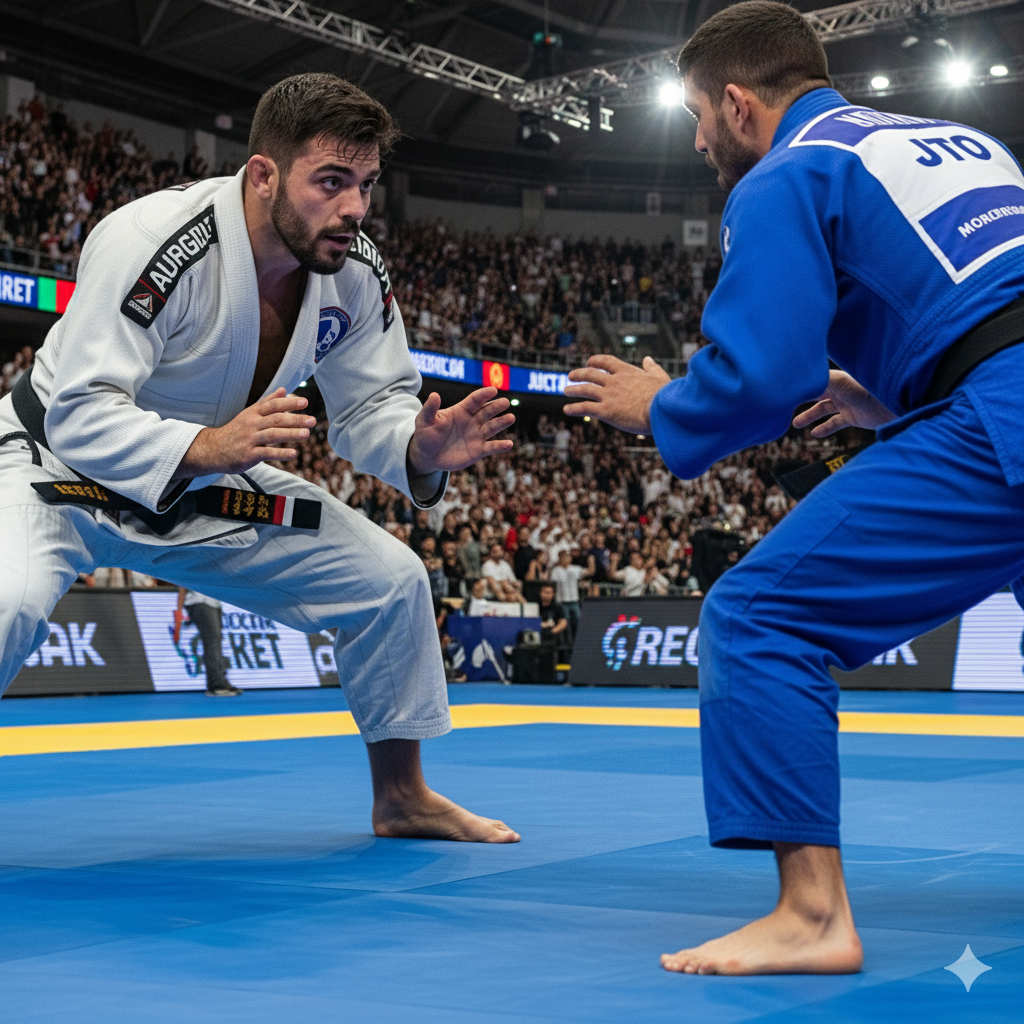
BJJ is Brazilian Jiu Jitsu, a ground-focused grappling art. Jiu jitsu is a broader term that can also mean Japanese jujutsu or traditional self-defense systems.

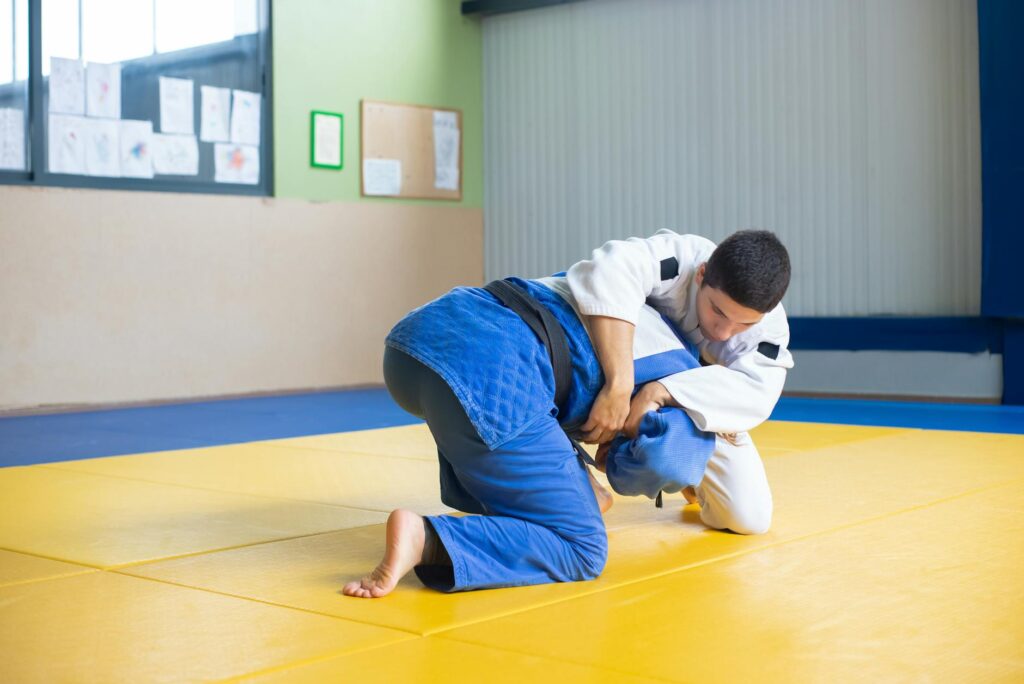
Judo focuses on throws, trips, grip fighting, and fast pins. Brazilian Jiu Jitsu focuses on ground control, guard work, escapes, and submissions.

The armbar is the most successful joint lock in UFC history — 195 finishes across 8,591 bouts, more than every other joint lock combined. Mechanics, entries, common mistakes and how to escape.
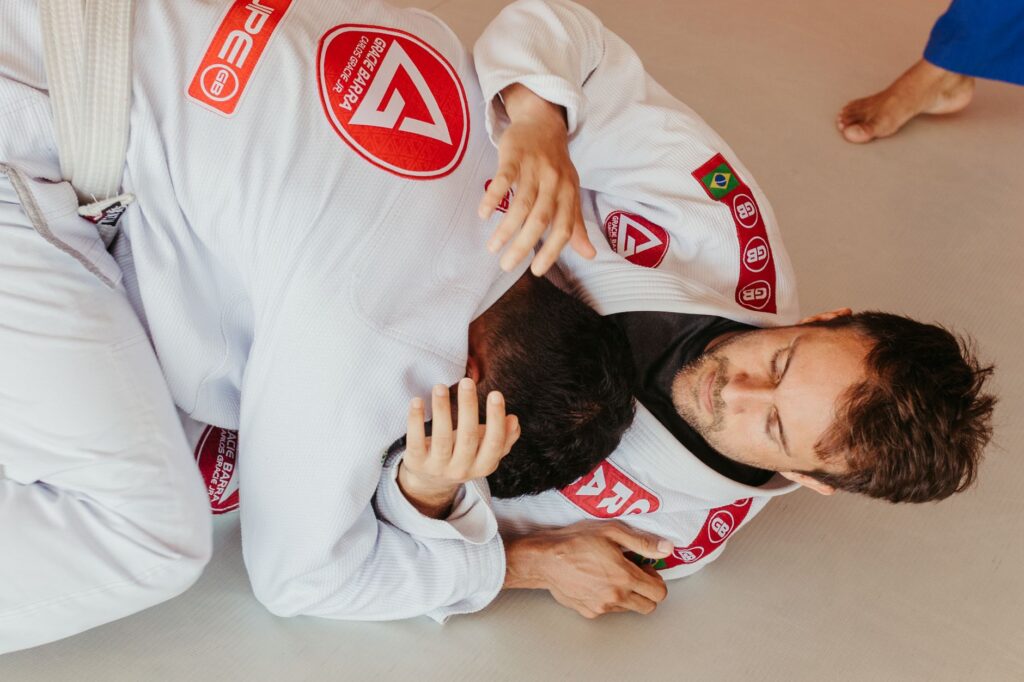
Learn what the arm triangle choke is, how the head-and-arm mechanics work, common setup positions, mistakes, defenses, and safe training notes.