Do MMA Fighters Take Steroids?
Performance-enhancing steroids are synthetic drugs designed to increase muscle mass, strength, and overall athletic performance. Most commonly, these are synthetic versions of the male hormone testosterone. Steroids work by boosting protein synthesis, leading to accelerated muscle growth and enhanced recovery.
There have indeed been many documented cases of athletes from various sports—including MMA—using steroids and other performance-enhancing drugs (PEDs) to try and gain a competitive advantage.
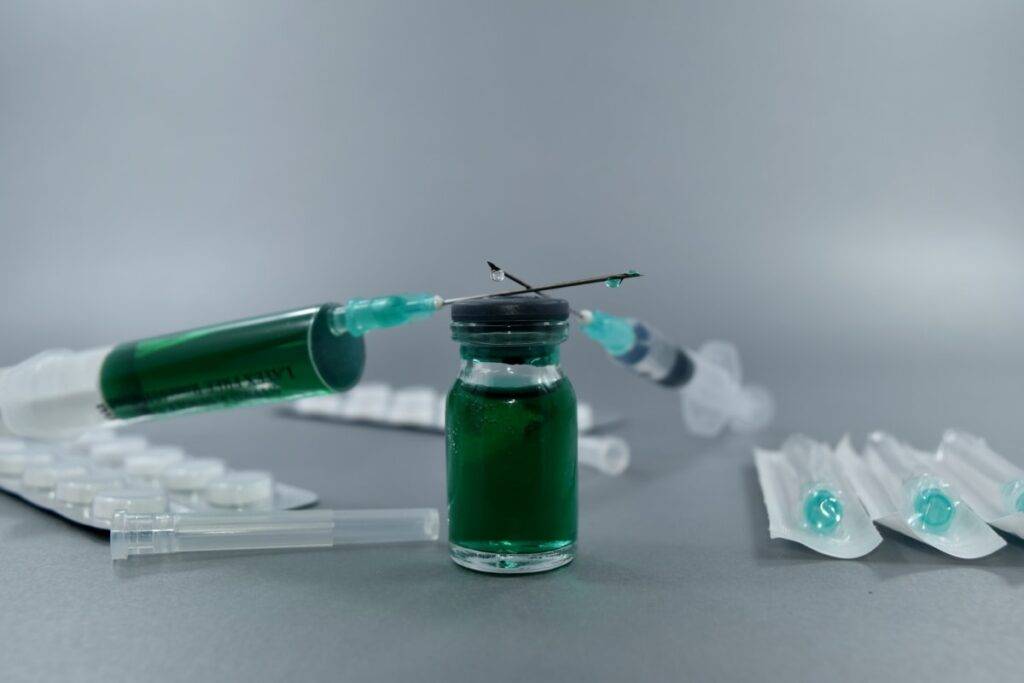
Steroid use among mixed martial arts (MMA) fighters remains a controversial and complex issue. While some fighters have resorted to steroids or other PEDs, the use of these substances is strictly prohibited and widely considered unethical by all major MMA organizations—including the UFC.
The history of PED use in MMA includes high-profile cases of fighters admitting to past use. However, in recent years, the stigma and consequences associated with steroid use have only intensified. Today, most professional MMA organizations enforce rigorous drug testing policies, including random and out-of-competition tests. Fighters who test positive for steroids or other banned substances face disciplinary action such as fines, suspensions, and even lifetime bans.
Free every Tuesday
The Grappler Brief
The week’s biggest stories from BJJ, judo, wrestling, and submission grappling—curated for people who train.
Sent out weekly.Opt out anytime.
Beyond the risk of career-ending sanctions, fighters put their health in jeopardy. Steroids can cause a range of serious health issues, including heart attack, stroke, liver damage, hormonal imbalances, and mental health problems. Additionally, using steroids without a valid prescription is illegal in many jurisdictions. Despite these risks, some fighters still gamble with PEDs in pursuit of an edge in a highly competitive sport.
Why Would Fighters Take Steroids or PEDs?
Several factors tempt MMA fighters to consider steroids or other PEDs:
- Performance Enhancement: Steroids can help increase muscle mass, strength, and endurance, allowing fighters to train harder and recover faster from intense sessions or injuries.
- Injury Recovery: The brutal nature of MMA leads to frequent injuries. Some fighters may turn to steroids or other PEDs like human growth hormone (HGH) or erythropoietin (EPO) to speed up healing and return to competition sooner.
- Weight Cutting and Recovery: The demands of drastic weight cuts can tempt athletes to use PEDs to preserve muscle mass or recover quickly after making weight.
- Competitive Pressure: The desire to stand out or keep up with perceived PED use among rivals can drive some fighters to experiment with banned substances.
- Physical Transformation: A more muscular physique may enhance a fighter’s confidence, marketability, or intimidation factor.

Despite these incentives, PED use is widely condemned within the MMA community. Many fighters and fans believe steroids undermine the sport’s integrity and create unfair advantages. The potential consequences—health complications, legal trouble, and severe damage to a fighter’s reputation—further deter many from using banned substances.
Types of PEDs in MMA: Not Just Steroids
It’s important to distinguish between anabolic steroids and other types of PEDs. While anabolic steroids are the most notorious, athletes have also tested positive for:
- HGH (Human Growth Hormone): Used for recovery and muscle growth.
- EPO (Erythropoietin): Boosts red blood cell production for increased endurance.
- Stimulants: Enhance alertness and aggression but are also banned in-competition.
Sometimes, positive tests result from contaminated supplements or inadvertent ingestion, further complicating the landscape for fighters.
Current State of Steroid Testing in MMA
USADA and UFC: Stricter and More Sophisticated

In the past two years, the UFC in partnership with the United States Anti-Doping Agency (USADA) has ramped up its anti-doping efforts. USADA’s protocols now include:
- More frequent and random testing, both in and out of competition
- Advanced detection methods to catch designer steroids and micro-dosing
- Retrospective testing—retesting old samples with new technology
These measures have resulted in several high-profile suspensions and a more level playing field. However, the temptation and attempts to circumvent the system persist, as evidenced by ongoing cases of PED violations.
Evidence from Academic Research
There is academic data to support the presence of doping in MMA. A 2021 PubMed study titled “Doping in the Ultimate Fighting Championship (UFC): A 4-year epidemiological analysis” provides insight:
- 1070 UFC athletes were tested 2,624 times between late 2015 and end of 2019.
- 209 adverse findings (16.55 per 1,000 tests) were recorded, with 102 anti-doping rule violations (ADRVs) committed by 93 athletes (8.7% of those tested).
- Anabolic steroids were the most common violations, especially in the men’s heavyweight division.
This data underscores that while doping is present at the highest level, it is being actively identified and sanctioned.
Variability Across Promotions
While the UFC and other major organizations like Bellator and ONE Championship have implemented robust testing, there are differences in rigor and standards:
- Some smaller or regional promotions do not have the resources or partnerships for year-round random testing.
- Testing frequency, banned substance lists, and enforcement can vary significantly, leading to inconsistent standards across the sport.
This variability means that while top-level MMA is now among the most regulated sports regarding PEDs, challenges remain, especially at the grassroots and regional levels.
Common Misconceptions About Steroids in MMA
- MMA Is Unregulated: This is outdated. The UFC, in particular, has some of the strictest anti-doping protocols in professional sports.
- All Top Fighters Use Steroids: Many elite fighters have passed numerous tests and are outspoken advocates for clean competition.
- Steroid Use Guarantees Success: Performance in MMA is complex, relying on skill, strategy, genetics, mindset, and more. Steroids are not a magic bullet.
Ethical and Practical Debates
The MMA community continues to debate the ethics and practicality of PED bans. Some call for stricter enforcement, while others argue for legalization or regulated use, citing the demands placed on modern fighters. However, the consensus among major organizations remains firmly against PEDs for health and fairness reasons.
Conclusion
Steroid and PED use in MMA is a multifaceted issue that reflects the sport’s high physical demands and the ever-evolving fight for integrity. Despite obvious health risks and career-threatening consequences, some athletes still risk using banned substances for perceived advantages. However, thanks to stricter and more sophisticated testing—especially in major promotions like the UFC—MMA is now one of the most tightly regulated sports regarding performance-enhancing drugs. The debate will likely continue, but the direction is clear: clean competition is the standard, and breaking the rules carries heavy penalties.
FAQs
Are all MMA organizations equally strict about steroid testing?
No. While major organizations like the UFC have implemented rigorous year-round testing through agencies like USADA, smaller and regional promotions often have less frequent or less sophisticated testing protocols. This variability can lead to inconsistent enforcement across the sport.
Can fighters accidentally test positive for steroids?
Yes. Cases of supplement contamination or inadvertent ingestion do occur, and some fighters have successfully argued for reduced sanctions in such situations. However, athletes are held responsible for everything they ingest, making it crucial to vet all supplements and medications carefully.
What other PEDs are commonly used in MMA besides anabolic steroids?
In addition to anabolic steroids, fighters have tested positive for human growth hormone (HGH), erythropoietin (EPO), stimulants, and masking agents. Each type of PED offers different potential benefits and risks, and all are banned by major anti-doping agencies.