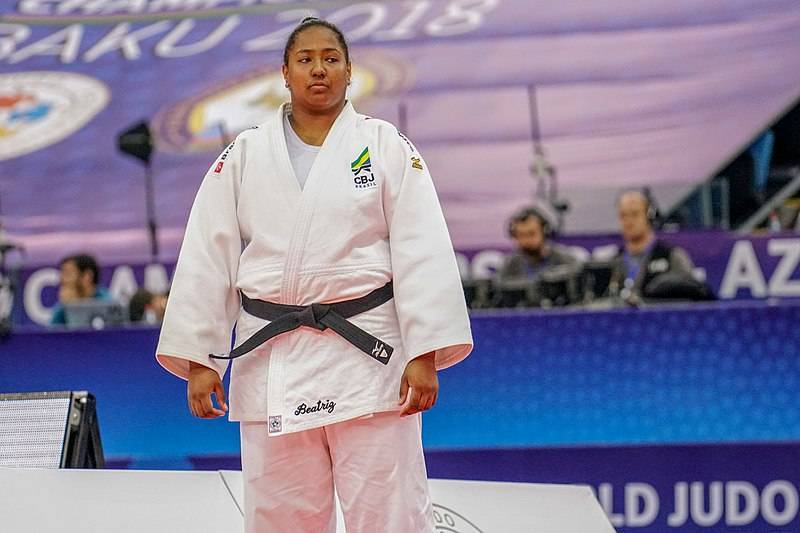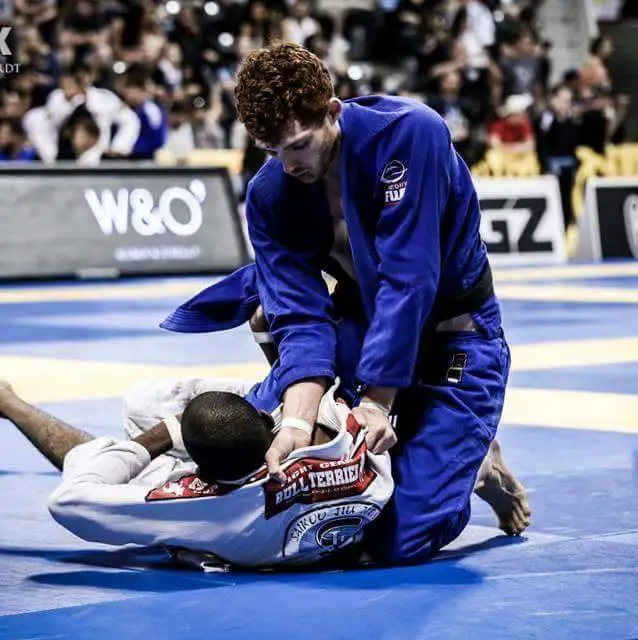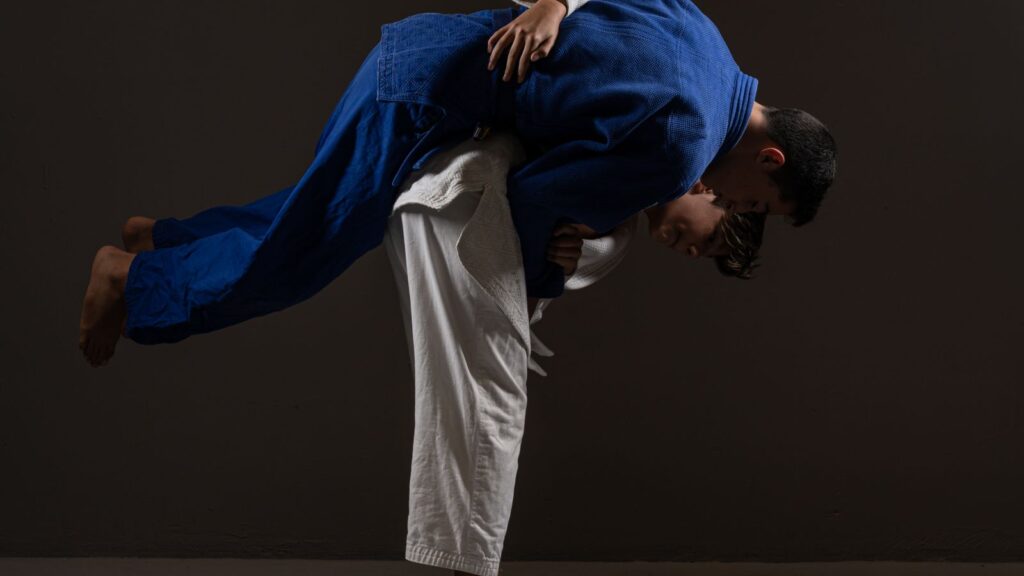
Quick answer: judo and wrestling are both grappling arts decided by takedowns and control, but they reward opposite things. Judo, founded in 1882, is fought in a jacket and won by a single decisive throw, a 20-second pin, or a submission. Wrestling has no jacket, no submissions, and no instant-win throw — you win by pinning both shoulders or grinding out points. Which one is “better” depends on your goal: gi grappling and clothed self-defense favor judo; MMA and no-gi grappling usually favor wrestling. Both fix the biggest hole in a pure BJJ game.
Last updated: 2026-07-10
This comparison comes up constantly in grappling gyms, usually from one of three people: a parent choosing a sport for their kid, a BJJ player deciding which art will fix their takedowns, or an MMA fan wondering why wrestlers seem to run the sport. The honest answer is that judo and wrestling are closer cousins than either community likes to admit — both are full-resistance takedown arts — and the real differences come down to the jacket, the rules, and what each ruleset forces you to get good at.
Judo vs wrestling at a glance
| Question | Judo | Wrestling |
|---|---|---|
| Uniform | Gi (judogi) — collar and sleeve grips drive the game | Singlet — body and limb contact only, no cloth grips |
| How you win | Ippon: decisive throw, 20-second pin, or submission | Pin (both shoulders down) or points |
| Submissions | Yes — strangles and elbow locks | None |
| Leg attacks | Banned in standing exchanges under IJF rules | Central to freestyle and folkstyle (Greco-Roman bans them) |
| Ground work | Short windows; referee restarts if no progress | Constant in folkstyle; brief in freestyle |
| Governing body | IJF; Olympic sport since 1964 | UWW; contested at the first modern Olympics in 1896 |
| Where adults train it | Judo clubs worldwide, usually inexpensive | Mostly school and college programs in the US; adult clubs are rarer |
Judo vs wrestling: the core difference
Strip away the uniforms and both arts answer the same question — how do you put a resisting person on the ground and keep them there? The split is in what the rules reward.
Free every Tuesday
The Grappler Brief
The week’s biggest stories from BJJ, judo, wrestling, and submission grappling—curated for people who train.
Sent out weekly.Opt out anytime.
Judo rewards perfection. One clean throw that lands your opponent flat on their back ends the match instantly. That single rule shapes everything: judoka spend years refining grip fighting and off-balancing (kuzushi) because a match can turn on one committed technique. The jacket makes this possible — collar and sleeve grips give you the handles to launch someone airborne.
Wrestling rewards accumulation. No takedown ends a match by itself, so wrestlers chain attacks relentlessly: shot, re-shot, scramble, ride. With no jacket to hold, control comes from body position, underhooks, and pressure. The result is an art with less emphasis on any single perfect technique and enormous emphasis on pace, conditioning, and never stopping.
Our judo hub and wrestling hub break down each art on its own terms, including the different wrestling styles — freestyle, Greco-Roman, and American folkstyle score quite differently.
How training feels
A typical judo class is technique-first: warm-ups with breakfalls (ukemi), repeated throwing drills (uchikomi), then randori — live sparring where both players attack in the gi. Expect to be thrown a lot, and to spend your first months learning to fall safely before you learn to throw hard.
Wrestling practice is usually the most physically demanding room in grappling. Drilling is intense, live goes are constant, and conditioning is treated as a skill in itself. There’s less formal etiquette than judo and more raw volume — takedown after takedown, scramble after scramble.
Neither art is “easier.” Judo front-loads technical frustration (throws take years to land on resisting opponents); wrestling front-loads physical suffering (the pace is brutal from day one). In most gyms, judo injuries cluster around bad landings, wrestling injuries around knees and scrambles — both are manageable with sane training, but neither is gentle.
Rules and competition differences
The rulesets have drifted apart in one important way. Under modern IJF rules, judo banned direct grabs of the legs in standing exchanges in the early 2010s — no single-legs, no double-legs. Wrestling went the opposite direction: leg attacks like the single-leg and double-leg takedown are the highest-percentage scores in freestyle and folkstyle.
That means the two arts now specialize in different halves of the takedown game: judo owns upper-body throws, trips, and the clinch; wrestling owns level changes and leg attacks. The one position both call home is the over-under clinch — the body-lock takedown is as natural to a Greco-Roman wrestler as it is to a judoka.
On the ground, judo allows strangles and elbow locks and can end a match with a 20-second pin, but the referee restarts standing if nobody is making progress. Wrestling has no submissions at all — the pin is the whole point. If you want the full picture of how each art treats the ground, our judo vs jiu-jitsu and BJJ vs wrestling guides cover both from the BJJ side.
Which is better for beginners?
For kids, you usually can’t go wrong either way — both build coordination, toughness, and comfort with physical contact. The practical deciding factor is often access: in the United States, wrestling mostly lives inside school and college programs, so a 10-year-old has clear pathways while a 30-year-old often doesn’t. Judo clubs, by contrast, welcome adult beginners almost everywhere and are frequently among the cheapest martial arts to train.
For adults starting from zero, that access difference usually matters more than any stylistic argument. If you have both options nearby, pick the room you’d actually show up to three times a week — coaching quality and culture beat style choice at white belt.
Which is better for self-defense, MMA, or BJJ?
Self-defense: judo’s grip-based throws assume clothing, which most real-world situations involve — a jacket throw works on a jacket. Wrestling’s takedowns and top control assume nothing and work on anyone. Both give you the skill that matters most: deciding whether a confrontation happens standing or on the ground. Call it a draw that tilts judo in a clothed world, wrestling in a bare one.
MMA: wrestling has the stronger track record, and it isn’t close. A wrestling base offers takedowns that don’t need cloth, cage-adapted clinch work, and the conditioning MMA demands — our UFC statistics study shows how much of the sport is decided by who controls the grappling exchanges. Judo still produces elite fighters — Ronda Rousey turned an Olympic judo medal into UFC gold — but no-gi throws require real adaptation.
BJJ: it depends on which BJJ you play. Gi players get more from judo — the grips transfer directly and the throws score. No-gi players get more from wrestling — leg attacks and scrambling are the meta. Either one fixes the standing game most BJJ players lack.
Can you train both?
Yes, and at the highest levels the line has already blurred: modern freestyle wrestlers drill foot sweeps, and competitive judoka cross-train wrestling-style setups within their ruleset. For a grappler, the combination is the complete takedown toolkit — judo for the clinch and jacket, wrestling for level changes and leg attacks. If you’re adding one to a BJJ base, pick the one that matches your ruleset (gi → judo, no-gi → wrestling) and steal from the other as you go.
FAQ
Is judo or wrestling harder to learn?
They’re hard in different ways. Judo throws take longer to land on fully resisting opponents — the technical curve is steep. Wrestling’s techniques come faster, but the physical demands are heavier from the first practice. Most people find judo more frustrating early and wrestling more exhausting early.
Do judo throws work without a gi?
Many do — foot sweeps, hip throws off an overhook or collar tie, and sacrifice throws all have no-gi versions. Grip-dependent techniques need real modification, which is why judoka moving to no-gi or MMA typically rebuild their game around body locks and wrist control.
Who has the better ground game, judoka or wrestlers?
Different, not better. Judo newaza includes pins, strangles, and armlocks but works in short bursts before a restart. Folkstyle wrestlers have outstanding positional control and escapes but no submissions. Both groups typically dominate top position when they start BJJ, and both get caught in submissions until they adjust.
Which art’s takedowns transfer to BJJ best?
In the gi, judo’s — the grips are identical. In no-gi, wrestling’s — leg attacks are the highest-percentage takedowns in the sport. The safest bets across both rulesets are the single-leg and the body lock.
Bottom line
Judo and wrestling are two answers to the same question. Judo bets everything on one perfect throw and gives you grips, precision, and the gi game. Wrestling bets on relentless accumulation and gives you leg attacks, conditioning, and control anywhere. Pick judo for gi grappling and clothed self-defense, wrestling for MMA and no-gi — and if you can, train both and own the entire standing game. Start deeper with our judo hub or wrestling hub.
There is a third art in this family worth knowing: sambo blends judo’s jacket throws with wrestling’s leg attacks. Our Sambo vs Judo comparison covers how its rules differ from both.