Quick answer: The ankle pick uses upper-body control — a collar tie, a snap, a grip on the sleeve or head — to break the opponent’s posture forward, then reaches down and grabs the ankle while steering their weight off it. It’s one of the most BJJ-friendly takedowns because it needs no deep level change and keeps your head up, well clear of the guillotine.
This guide is educational. Drill on suitable mats with qualified coaching, learn breakfalls, control the descent, and avoid uncontrolled twisting or head impact.
| Detail | Ankle Pick summary |
|---|---|
| Technique family | Upper-body-driven takedown |
| Main setups | Collar tie and snap, sleeve/grip drag, reaction to a posture-up |
| IBJJF scoring | 2 points once the takedown lands and control is established |
| First control priority | Break posture forward first; the ankle grab comes second |
What is the ankle pick?
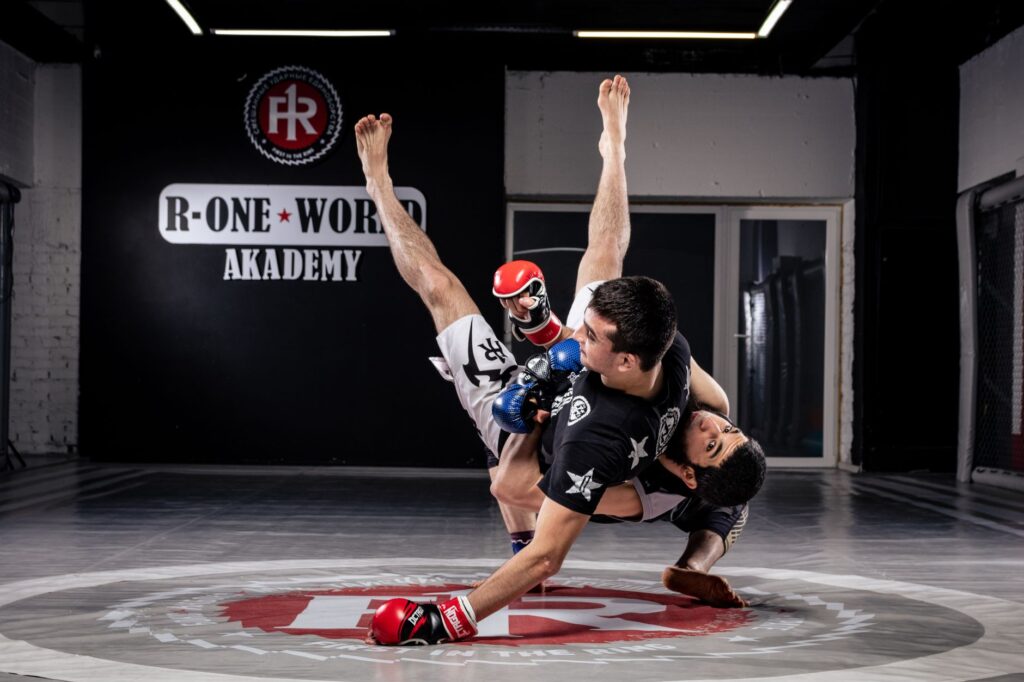
The ankle pick is a takedown where the upper body does the setup and the hand simply picks the ankle. You control the head or an arm, snap or pull the opponent’s weight forward onto one leg, and as they post that foot to catch their balance, you grab the ankle and steer their momentum past it. Done right, it looks almost gentle — there’s no explosive shot, just a posture break and a well-timed pick.
That’s what makes it so useful in BJJ. Unlike a single- or double-leg, the ankle pick doesn’t require dropping your level deep and diving into range, so your head stays up and your neck stays out of the guillotine. It’s a low-risk, low-commitment way to score a takedown, which is why grapplers who don’t come from a wrestling background often make it their first reliable one.
Free every Tuesday
The Grappler Brief
The week’s biggest stories from BJJ, judo, wrestling, and submission grappling—curated for people who train.
Sent out weekly.Opt out anytime.
How the ankle pick works
- Break posture forward before you reach. The pick only works if the opponent’s weight is already tipping onto the target foot — reaching for a planted, based ankle just gets your hand slapped away.
- Use the upper-body tie to steer, not just to hold. The collar tie or head control directs their weight over the foot you’re about to remove; it’s an active tool, not an anchor.
- Grab the ankle and take it off-line. Pull the captured ankle toward you or across while your upper-body control drives their weight the opposite way — the two directions together are what topple them.
- Keep your head up throughout. The whole appeal of the ankle pick is that you never have to duck into danger; posture stays tall.
Common setups into the ankle pick
The ankle pick lives off reactions to upper-body pressure.
- Collar tie and snap. Snapping the head down and forward loads the opponent’s weight onto the lead foot, which is exactly the foot you pick.
- Off a posture-up. When the opponent stands tall to relieve the tie, their weight shifts back and their lead ankle becomes light and reachable.
- Sleeve or wrist drag. Dragging an arm across turns the opponent and exposes the near ankle as their base narrows.
- As a chain with a leg attack. When a single-leg is defended and the opponent pulls the leg back, the ankle pick on the other side often opens up.
Common mistakes
| Mistake | Why it fails | Better cue |
|---|---|---|
| Reaching for the ankle before breaking posture | A based, weighted foot can’t be picked; the hand gets stuffed | Snap the weight forward onto the foot first |
| Using the upper-body tie as a static anchor | Without steering, the opponent just re-bases | Actively drive their weight over the target foot |
| Picking the ankle without off-balancing the top | Removing the foot alone doesn’t topple a balanced opponent | Pull the ankle one way while driving the head the other |
| Ducking the head down to reach | Throws away the ankle pick’s main advantage — a safe, upright posture | Keep the head up; let the posture break bring the ankle to you |
How to defend the ankle pick
Defense is mostly about not letting your posture get broken forward in the first place.
- Fight the collar tie and keep your posture tall. If the snap can’t load your weight forward, the pick has nothing to grab.
- Keep your feet moving and your weight centered. A light, mobile lead foot is much harder to pick than a heavy, planted one.
- Pull the targeted ankle back as you feel the grab. Recovering the foot before their upper-body control commits usually kills the takedown.
- Circle out of the tie rather than pulling straight back. Backing straight up plays into the snap; angling off resets the exchange.
Is the ankle pick legal in BJJ?
Yes — the ankle pick is broadly legal and scores 2 points under IBJJF-style rules once you complete the takedown and establish control.
It’s one of the lower-risk takedowns from a rules standpoint since there’s no lifting or slamming involved, but boundary and control criteria still apply, and they vary by organization.
Details differ by organization and division — confirm the current rulebook for the event you’re actually entering via the BJJ rules and scoring guide or the event page itself.
Safety and training notes
- Steer the ankle, don’t wrench it. The pick should redirect the opponent’s balance, not torque a trapped foot — keep the pull along a line the ankle can safely follow.
- Follow your partner down with control. Even a low-commitment takedown can land a partner awkwardly if you let go at the top; stay connected through the descent.
- It’s a good first takedown for that reason. The low level change and upright posture make it one of the safer takedowns to drill early, for both partners.
Stop if a partner reports unusual pain, numbness, or joint discomfort beyond normal positional pressure. This article does not diagnose injuries; seek qualified medical care for concerning or persistent symptoms.
Examples to study
- Collar-tie ankle picks in gi competition. Watch how much the snap does before the hand ever moves toward the ankle — the takedown is set up entirely up top.
- Ankle pick as a chain off a defended single-leg. Note how the two attacks feed each other: defending one opens the other.
Pause footage at the moment the opponent’s weight tips onto the lead foot, before the ankle is touched — that posture break, not the grab, is where the ankle pick is actually won.
Related GrapplerHQ guides
- Single-leg takedown
- Double-leg takedown
- Body-lock takedown
- BJJ rules and scoring
- Wrestling: styles, rules, and what it teaches grapplers
Sources and further reading
- How to Do an Ankle Pick in BJJ?.
- IBJJF Books and Videos — current rules materials.
- ADCC Rules and Regulations.
- Injury prevalence among BJJ practitioners — PubMed.
FAQ
Why is the ankle pick good for BJJ?
It needs no deep level change and keeps your head up, so it doesn’t expose your neck to the guillotine the way a shot can. That low risk makes it a popular first takedown for grapplers without a wrestling background.
Do you need to change levels for an ankle pick?
Only slightly — you reach down for the ankle, but you don’t drop deep and penetrate the way a single- or double-leg requires. The setup happens with the upper body while you stay relatively upright.
Does an ankle pick score in BJJ?
Yes — 2 points under IBJJF-style rules once the takedown lands and control is established, like any other takedown.
What’s the key to finishing an ankle pick?
Breaking posture forward before you reach. If the opponent’s weight is already tipping onto the foot, the pick works; if the foot is planted and based, it won’t.
Bottom line
The ankle pick is the takedown for people who don’t want to wrestle. It trades power for safety: no deep shot, no exposed neck, just a posture break up top and a clean pick down below. The mistake almost everyone makes is reaching for the ankle first — break the posture forward, and the ankle comes to you.