Introduction to Jiu Jitsu
Jiu Jitsu, a martial art with roots in Japan, has evolved significantly over the centuries. Known for its focus on grappling and ground fighting, it is often called the “gentle art” due to its emphasis on technique and leverage over brute strength. This martial art has a rich history that dates back to the samurai warriors of Japan, who developed it as a form of close-combat defense when weapons were impractical.
Historical Origins of Jiu Jitsu
Samurai and Early Jujutsu
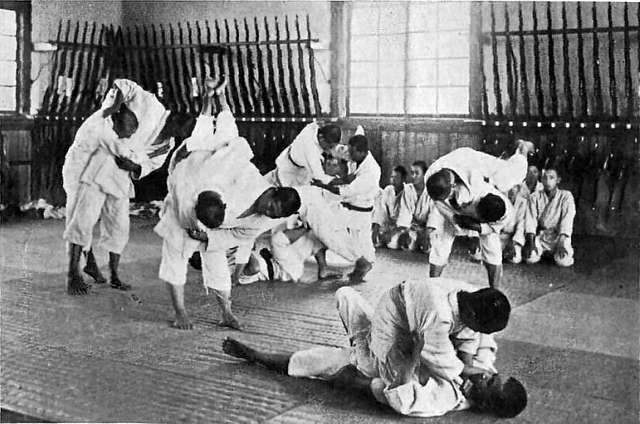
The origins of Jiu Jitsu can be traced back to the samurai warriors of Japan. These warriors developed jujutsu as a system of close-combat fighting, designed for situations where weapons were not practical. Jujutsu was passed down through generations, becoming an integral part of samurai training and eventually spreading to the general population for self-defense.
Development of Judo
As jujutsu evolved, it branched into various styles, one of which was judo, developed in the late 19th century by Jigoro Kano. Kano, a student of jujutsu, incorporated many of its techniques into judo, while also adding new principles and removing dangerous techniques to make it safer for sport. Judo gained international popularity and was included in the Olympic Games in 1964.
The Rise of Brazilian Jiu Jitsu
Mitsuyo Maeda and the Gracie Family
Mitsuyo Maeda, a skilled Japanese judoka, introduced judo to Brazil in the early 20th century. He taught the art to Carlos Gracie, who, along with his family, adapted and refined the techniques, emphasizing ground fighting and submission holds. This adaptation led to the development of Brazilian Jiu Jitsu (BJJ), renowned for its effectiveness in close-combat situations.
Global Popularization
The Gracie family played a pivotal role in popularizing BJJ worldwide. Their academy in Brazil attracted many students, and the family eventually promoted BJJ in the United States through the Ultimate Fighting Championship (UFC). This exposure helped BJJ gain a reputation as one of the most effective martial arts for real-life combat.
Contemporary Developments in Jiu Jitsu
Global Expansion and Inclusivity
BJJ continues to grow globally, with numerous academies and practitioners worldwide. The sport has seen a rise in female participation and the establishment of more inclusive competitions. Technological advancements, such as online training platforms, have further facilitated the spread of BJJ.
Recognition and Challenges
While there is a movement towards recognizing BJJ as an Olympic sport, it has not yet been included in the Olympic Games. The sport faces challenges such as commercialization, debates over teaching standards, and safety concerns. However, its popularity and influence in mixed martial arts competitions continue to rise.
Conclusion
Jiu Jitsu has evolved from its Japanese roots into a distinct and influential martial art. Through the efforts of the Gracie family and other practitioners, it has gained international recognition and continues to adapt to modern times. With its rich history and dynamic future, Jiu Jitsu remains a premier martial art practiced by millions worldwide.