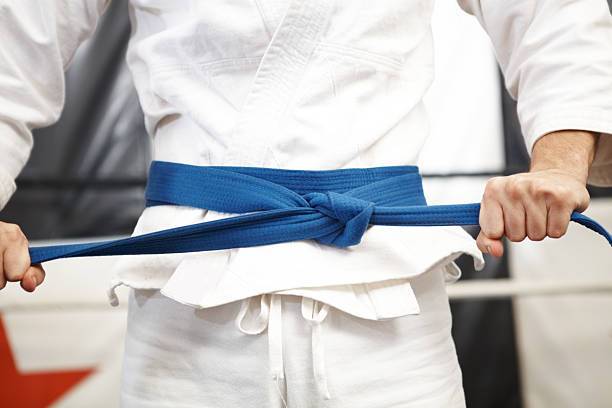
Summary: As of 2026, Brazilian Jiu-Jitsu (BJJ) remains a premier choice for self-defense, equipping practitioners with practical skills to handle real-world conflicts. This section delves into the techniques and strategies that make BJJ effective for personal protection, offering a comprehensive understanding of its application in self-defense scenarios.
Understanding BJJ for Self-Defense
Brazilian Jiu-Jitsu is often heralded as an excellent martial art for self-defense due to its emphasis on technique over brute strength, allowing practitioners to effectively manage and neutralize threats. This section provides an in-depth analysis of BJJ’s benefits, exploring how its techniques are tailored for personal protection in realistic situations.
Note: While the term ‘Jiu Jitsu’ might often refer to traditional Japanese styles, both Brazilian Jiu-Jitsu and traditional Jiu Jitsu have unique contributions to self-defense, which will be discussed where relevant.
Introduction
Self-defense is a multifaceted concept involving more than mere physical confrontation. It encompasses situational awareness, de-escalation strategies, and the ability to avoid potentially dangerous encounters. Brazilian Jiu-Jitsu empowers practitioners by teaching them how to control opponents and neutralize threats primarily through ground fighting. Here’s why BJJ is particularly advantageous for self-defense:
Real-World Self-Defense Techniques
Brazilian Jiu-Jitsu is renowned for its practical approach to handling physical confrontations, often reducing the risk of injury. Unlike martial arts that emphasize power or flashy moves, BJJ is effective for individuals of all sizes and capabilities. Key self-defense techniques in BJJ include:
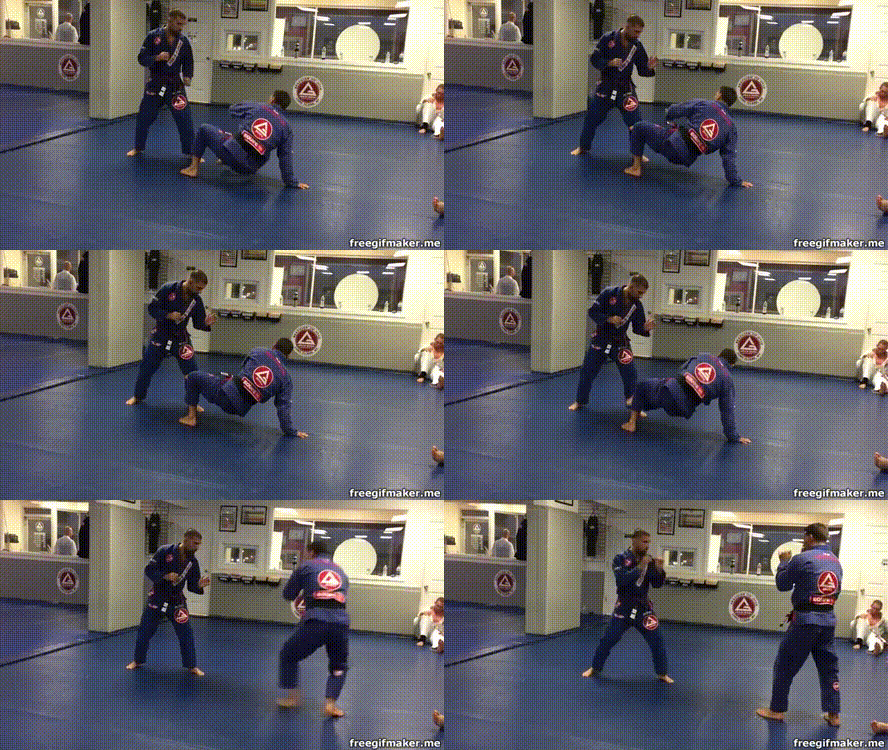
- Controlling distance and space: Mastery of distance is crucial in managing an aggressive attacker. By controlling space, a practitioner can dictate the pace and outcome of an encounter. This involves using footwork to maintain a safe distance or close in safely to execute a takedown.
- Escapes from common street attacks: BJJ provides effective escapes from various holds such as headlocks, bear hugs, and chokes. For instance, the ‘bridge and roll’ escape can help one break free from a mount position, while the ‘shrimping’ technique aids in creating space to escape side control.
- Ground fighting: Ground fighting is a cornerstone of BJJ, and real-world confrontations often end up on the ground. Practitioners learn to take opponents down safely and maintain control using holds, pins, and submissions. Techniques like the guard, mount, and side control are fundamental in ensuring dominance and safety during a ground altercation.
FAQ
What makes BJJ effective for self-defense?
Brazilian Jiu-Jitsu is effective for self-defense because it focuses on leverage, control, and submissions rather than strength, making it accessible for people with different physical attributes. Its techniques are designed to neutralize threats efficiently in various scenarios.

How does BJJ differ from traditional Jiu Jitsu in self-defense?
Traditional Jiu Jitsu incorporates striking, while BJJ emphasizes grappling and ground control. This focus on grappling allows practitioners to restrain opponents effectively, which can be advantageous in close-quarters encounters where striking might be less viable.
Can beginners use BJJ effectively for self-defense?
Absolutely, beginners can quickly grasp fundamental BJJ techniques applicable to self-defense, such as maintaining distance, executing escapes, and applying basic submissions. These skills can be developed through consistent practice and are practical even at an early stage of training.