The De La Riva guard, named after BJJ black belt Ricardo De La Riva, is a pivotal technique in Brazilian Jiu-Jitsu. Known for its versatility and effectiveness, it allows practitioners to sweep, submit, or transition from an open guard position. This article explores its history, advantages, and techniques as of 2026, ensuring practitioners can enhance their BJJ game.
History of the De La Riva Guard
The De La Riva guard was developed in the early 1990s by Ricardo De La Riva, a renowned Brazilian Jiu-Jitsu black belt. De La Riva created this guard to control opponents while maintaining safety from attacks. Influenced by Marcelo Behring’s “spider guard,” De La Riva refined his technique, which gained fame after his victory over Royler Gracie at the 1996 BJJ World Championships. Today, it remains an essential guard position in modern BJJ.
The Advantages of the De La Riva Guard
Versatility and Control
The De La Riva guard is celebrated for its versatility. Practitioners can execute sweeps, submissions, or transitions to other guards from this position. It offers significant control over an opponent’s movements, complicating their guard-passing attempts.
Neutralizing Attacks
This guard effectively neutralizes opponent attacks by controlling their leg and hip, preventing guard passes and minimizing the threat of leg locks or other submissions. Off-balancing opponents is a common strategy to facilitate attacks.
Common Techniques from the De La Riva Guard
- De La Riva Sweep: This involves hooking the opponent’s leg and using the other leg to push them over.
- Berimbolo: A popular technique involving a backward roll to secure the opponent’s back.
- Reverse De La Riva: A variation using the opposite leg to hook the opponent’s leg.
- De La Riva to X-Guard: Transitioning from the De La Riva guard to the X-Guard, another effective position.
Training Tips for the De La Riva Guard
- Drill the Techniques: Regular practice is crucial for mastering the De La Riva guard. Drill consistently with a partner.
- Use in Sparring: Apply the guard in sparring sessions to enhance timing and adaptability.
- Combine with Other Guards: Integrate the De La Riva guard with other guards like the butterfly or X-guard to discover effective combinations.
Conclusion
The De La Riva guard offers BJJ practitioners a versatile and effective option for controlling opponents and launching attacks. By drilling techniques, using it in sparring, and combining it with other guards, practitioners can develop a robust and adaptable guard game. Whether you’re a beginner or advanced, incorporating the De La Riva guard into your practice will elevate your skills in Brazilian Jiu-Jitsu.
FAQ
What is the De La Riva guard?
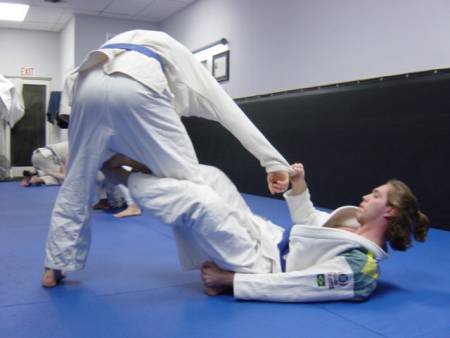
The De La Riva guard is an open guard position in Brazilian Jiu-Jitsu, where one leg hooks around the opponent’s leg, and the other foot controls their hip, allowing for sweeps, submissions, and transitions.
Who developed the De La Riva guard?
Ricardo De La Riva, a Brazilian Jiu-Jitsu black belt, developed the De La Riva guard in the early 1990s. It gained prominence after his victory over Royler Gracie in 1996.
How can I improve my De La Riva guard?
To improve your De La Riva guard, consistently drill the techniques, apply them in sparring, and experiment by combining them with other guard positions such as the butterfly or X-guard.